18 Crochet Baby Projects to Create Timeless Keepsakes
Transform yarn into cherished memories with these heartwarming patterns
Creating handmade items for babies carries a special kind of magic. Each stitch represents love, care, and the hope for a bright future. If you want to make something meaningful for a new arrival, crochet baby projects offer the perfect blend of creativity and practicality.
The handmade baby goods market reached $2.8 billion in 2024, with crochet items accounting for a significant portion of that growth. Parents and gift-givers increasingly value unique, personalized items over mass-produced alternatives. This shift reflects a broader trend toward meaningful, sustainable choices in baby products.
This guide walks you through 18 beautiful crochet baby projects that range from quick afternoon makes to weekend undertakings. Whether you crochet for your own little one or craft gifts for friends and family, these patterns will help you create treasures that last for generations.
Why Crochet Baby Items Stand the Test of Time
Handmade crochet baby items hold value that factory-made products simply cannot match. The time invested in each project translates into heirloom quality that families pass down through generations.
Consider the practical benefits. Cotton and bamboo yarns provide natural breathability that synthetic fabrics lack. The texture of handmade crochet offers sensory stimulation for developing babies. Each item can be customized to match nursery colors, family preferences, or specific needs.
Beyond functionality, these projects create emotional connections. A grandmother’s hand-stitched blanket becomes a comfort object. A friend’s crocheted toy transforms into a childhood companion. The maker’s love becomes woven into every row.
The sustainability angle matters too. In 2025, parents care about environmental impact. A well-made crochet blanket can serve multiple children, avoiding landfill waste. Natural fiber choices reduce microplastic concerns that plague synthetic baby products.
Essential Supplies for Crochet Baby Projects
Success with crochet baby patterns starts with proper materials. The wrong yarn choice can ruin an otherwise perfect project, while quality hooks make stitching easier and more enjoyable.
Yarn Selection Guidelines
Baby-appropriate yarns must meet specific criteria. Softness ranks as the top priority, but washability comes in as a close second. New parents face constant laundry challenges, so machine-washable options make practical sense.
Cotton yarn works beautifully for blankets and clothing. It breathes well, holds up to repeated washing, and comes in vibrant colors that stay true over time. Organic cotton options appeal to eco-minded parents, though they cost more.
Bamboo yarn offers similar benefits with added antimicrobial properties. The silky texture feels luxurious against sensitive skin. Some crafters find bamboo yarn splits easier than cotton, requiring extra attention during work.
Acrylic yarn gets unfair criticism in baby crochet circles. Modern acrylic blends feel surprisingly soft and wash beautifully. They cost less than natural fibers, making them perfect for larger projects like blankets. Choose high-quality brands specifically marketed for baby items.
⚠️ Safety Note:
Avoid yarns with hairy or fuzzy textures for baby items. Babies can inhale loose fibers or get them in their eyes. Stick to smooth, tightly-spun yarns for all baby projects.
Hook Sizes and Tools
Most baby projects use hook sizes between 3.5mm and 5mm. These sizes create fabric with good stitch definition while working up reasonably fast. Ergonomic hooks reduce hand strain during longer projects.
Keep these additional tools on hand:
- Stitch markers help track rounds in amigurumi and pattern repeats in blankets
- Tapestry needles for weaving in ends and seaming pieces
- Sharp scissors designed for yarn cutting
- Measuring tape to check gauge and finished dimensions
- Blocking mats and pins for finishing larger items
The Complete Collection: 18 Crochet Baby Projects
This curated collection covers essential items every baby needs, creative toys, and special occasion pieces. Each project includes skill level guidance, time estimates, and key techniques required.
1. Classic Granny Square Baby Blanket
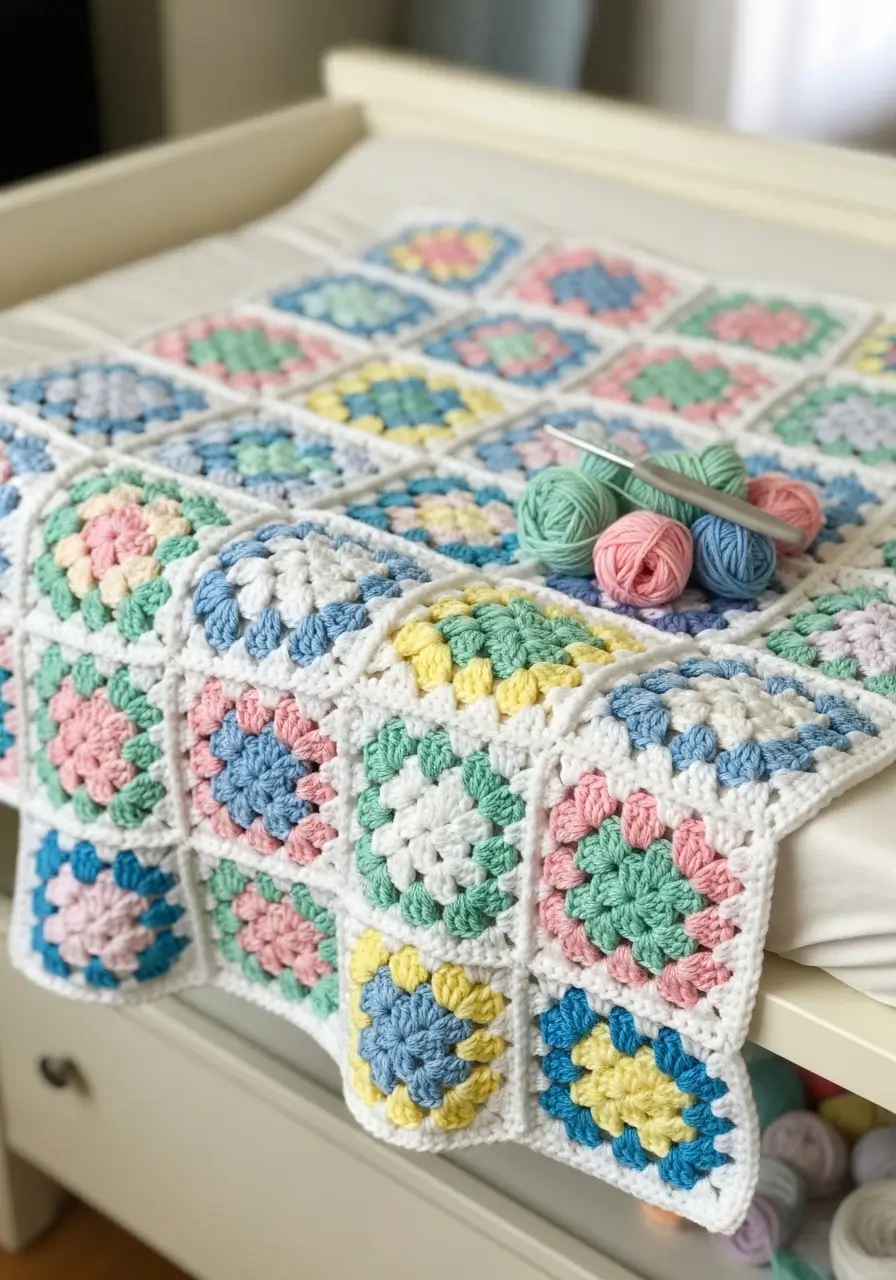
The granny square blanket remains popular for good reason. This versatile pattern works up quickly and uses leftover yarn efficiently. Join squares as you go or create them individually for portable projects.
Skill Level: Beginner
Time Required: 15-20 hours
Finished Size: 30″ x 36″
Choose three to five coordinating colors for visual interest. Work each square to 6 inches, then join using your preferred method. A simple border finishes the edges and adds professional polish.
2. Soft Ribbed Baby Beanie
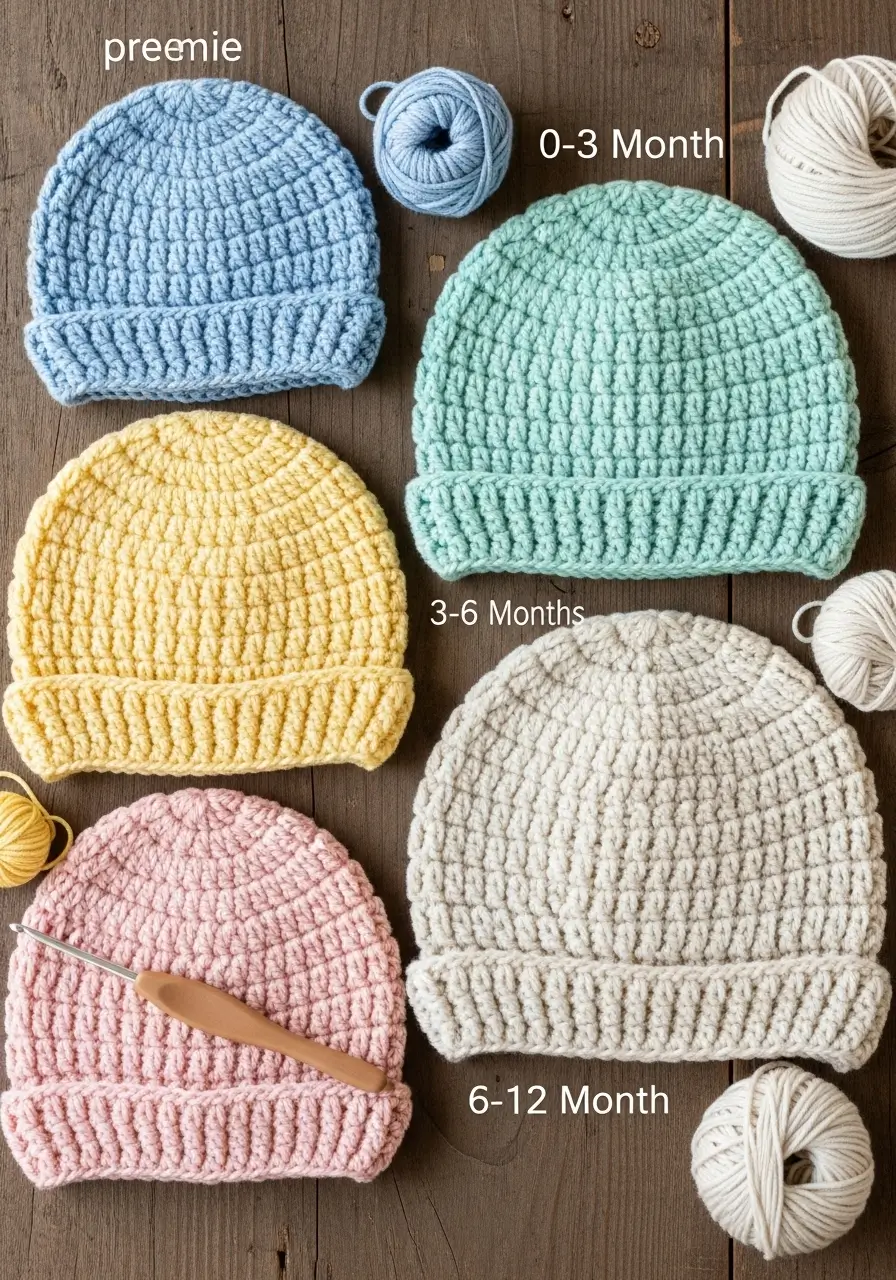
Hospital caps protect newborns from temperature fluctuations. This ribbed version features gentle stretch that accommodates growing heads. Make several in different sizes to last through the first year.
Skill Level: Beginner
Time Required: 2-3 hours
Sizes Available: Preemie through 12 months
Work in half double crochet through the back loop only to create ribbing. This technique produces a fabric with excellent stretch and recovery. Top with a simple pom-pom or keep it plain for versatility.
3. Chevron Ripple Afghan
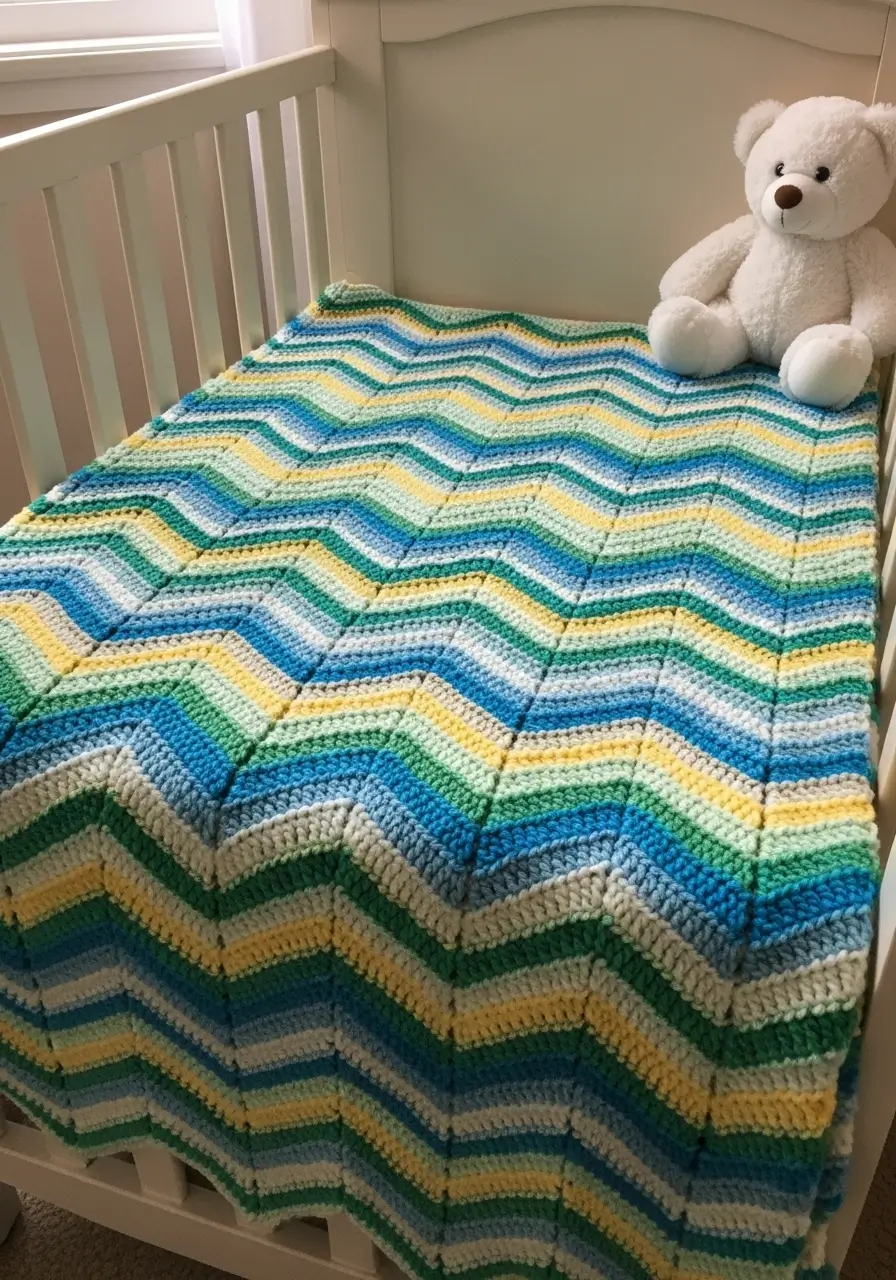
The ripple pattern creates mesmerizing visual movement. This intermediate project requires attention to increases and decreases but results in a stunning showpiece. The continuous rows work up faster than individual motifs.
Skill Level: Intermediate
Time Required: 25-30 hours
Finished Size: 32″ x 40″
Select yarn colors carefully. High contrast between stripes emphasizes the chevron pattern. Gradual color shifts create subtle, sophisticated effects. Either approach produces beautiful results.
4. Mary Jane Baby Booties
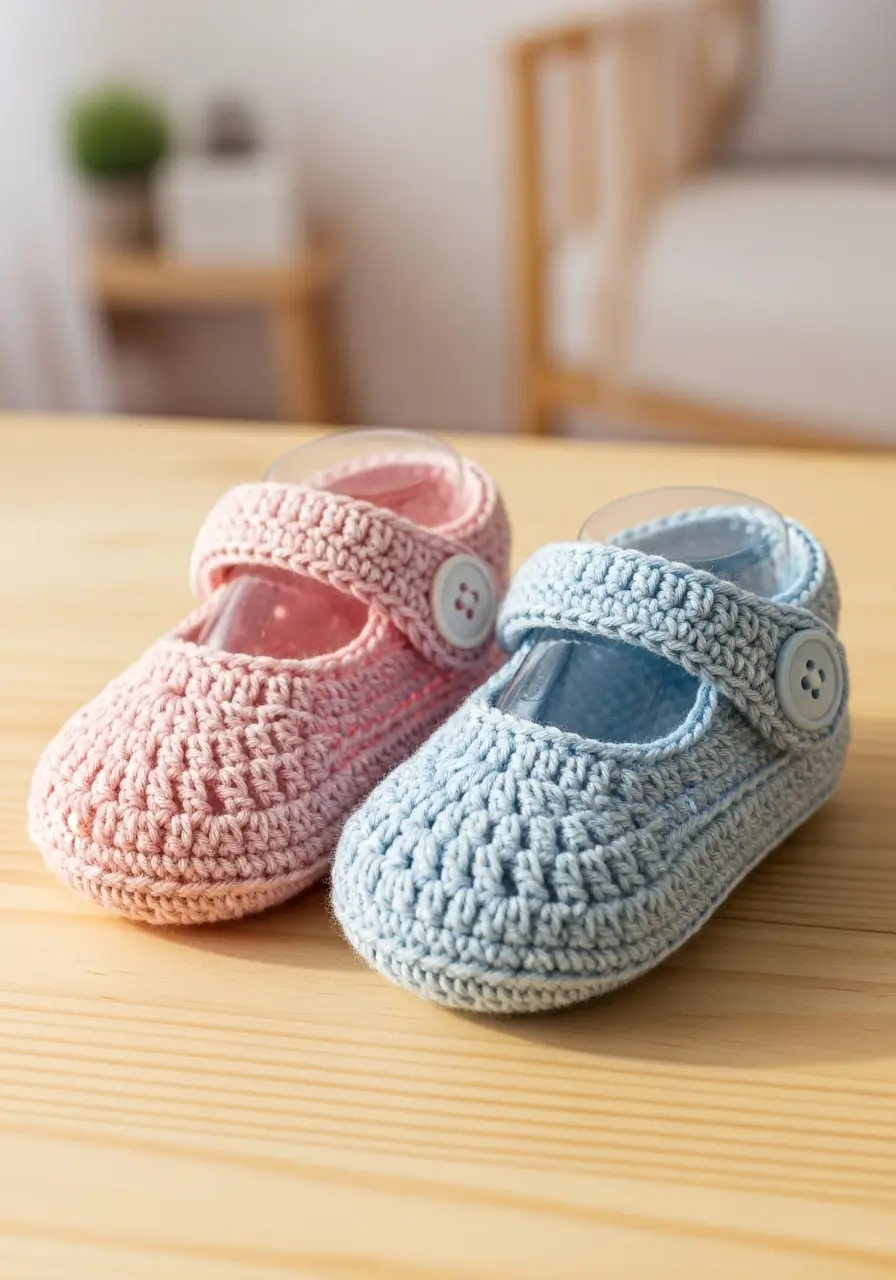
These adorable shoes feature a strap and button closure. They stay on better than slip-on styles while remaining easy to put on squirming babies. Add them to gift baskets or pair with matching outfits.
Skill Level: Intermediate
Time Required: 3-4 hours per pair
Sizes Available: 0-3 months through 12 months
Work the sole first, then build up the sides and toe. The strap attaches at the ankle with a small button. Use non-skid paint on soles once babies start cruising.
5. Lovey Security Blanket
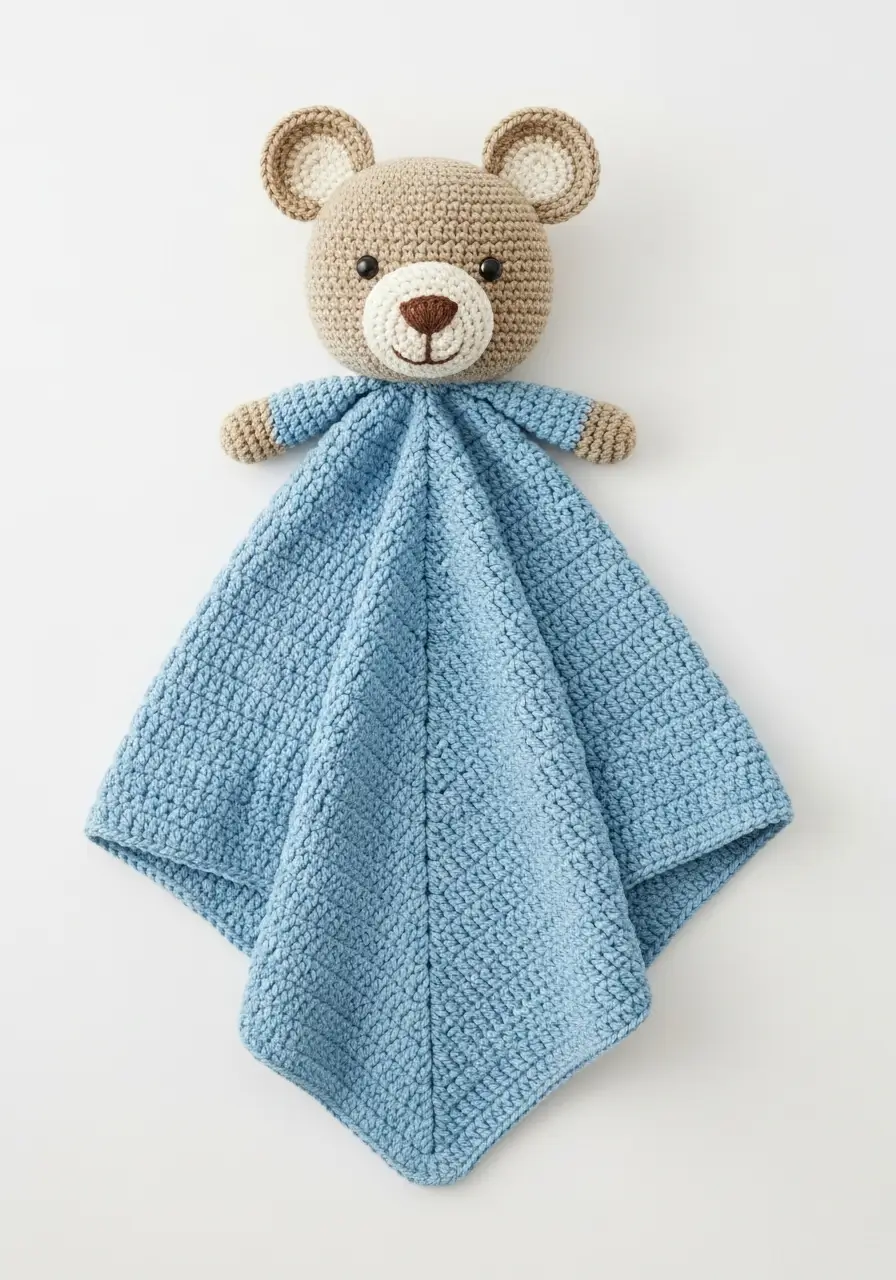
Loveys combine a small blanket with an animal head. Babies find them easier to grasp and hold than full-size blankets. The compact size makes them perfect for car seats and strollers.
Skill Level: Intermediate
Time Required: 4-6 hours
Finished Size: 12″ x 12″ blanket portion
Popular animal options include bunnies, bears, elephants, and lambs. Work the blanket square in any stitch pattern you prefer. Attach the stuffed head securely, checking all seams carefully.
6. Simple Cardigan Sweater
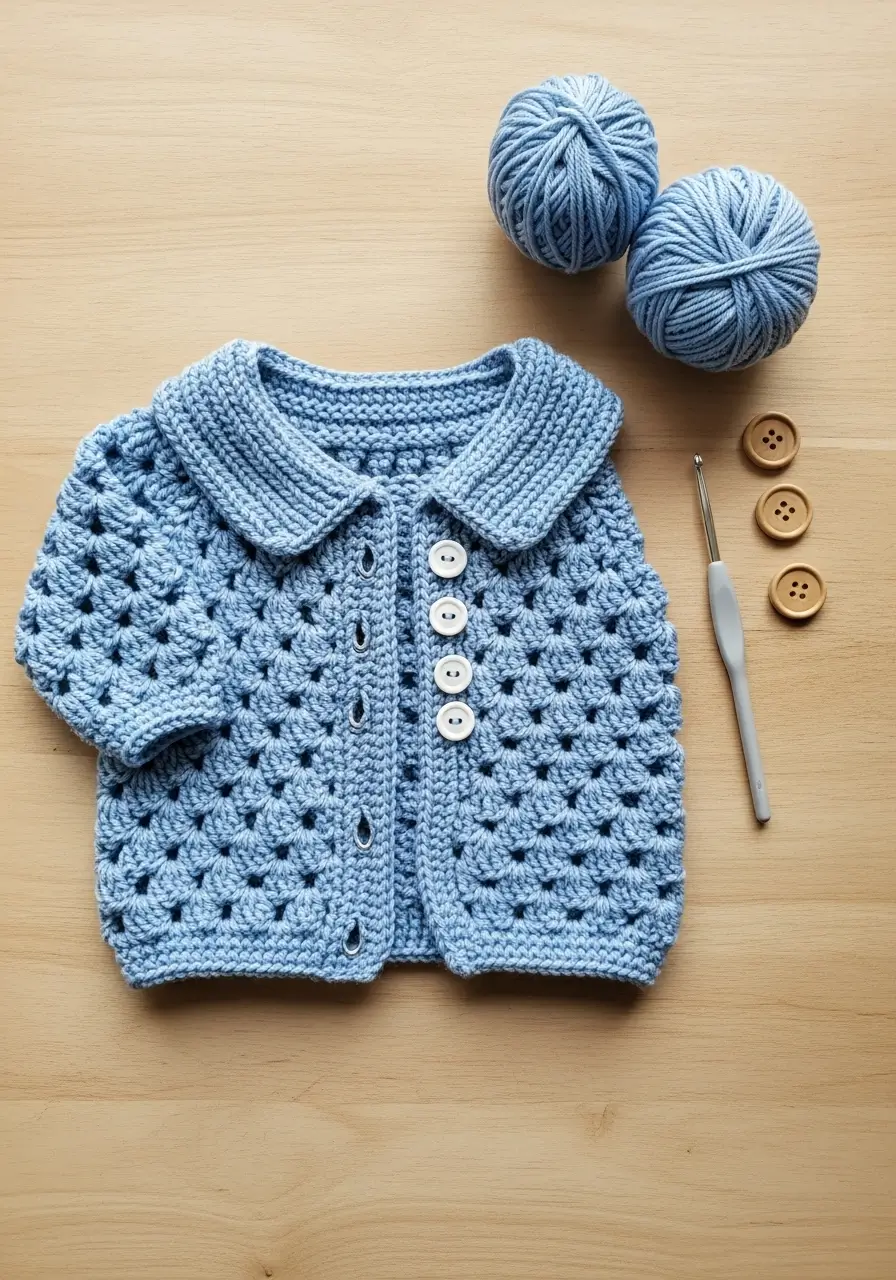
Baby cardigans provide warmth without the struggle of pulling clothes over heads. This top-down pattern eliminates seaming and allows for easy size adjustments. Add buttons or leave it open for different looks.
Skill Level: Advanced Beginner
Time Required: 10-15 hours
Sizes Available: Newborn through 24 months
Start at the neckline and work down in one piece. Separate for armholes, then rejoin to complete the body. Pick up stitches around armholes to add sleeves last.
7. Textured Stroller Blanket
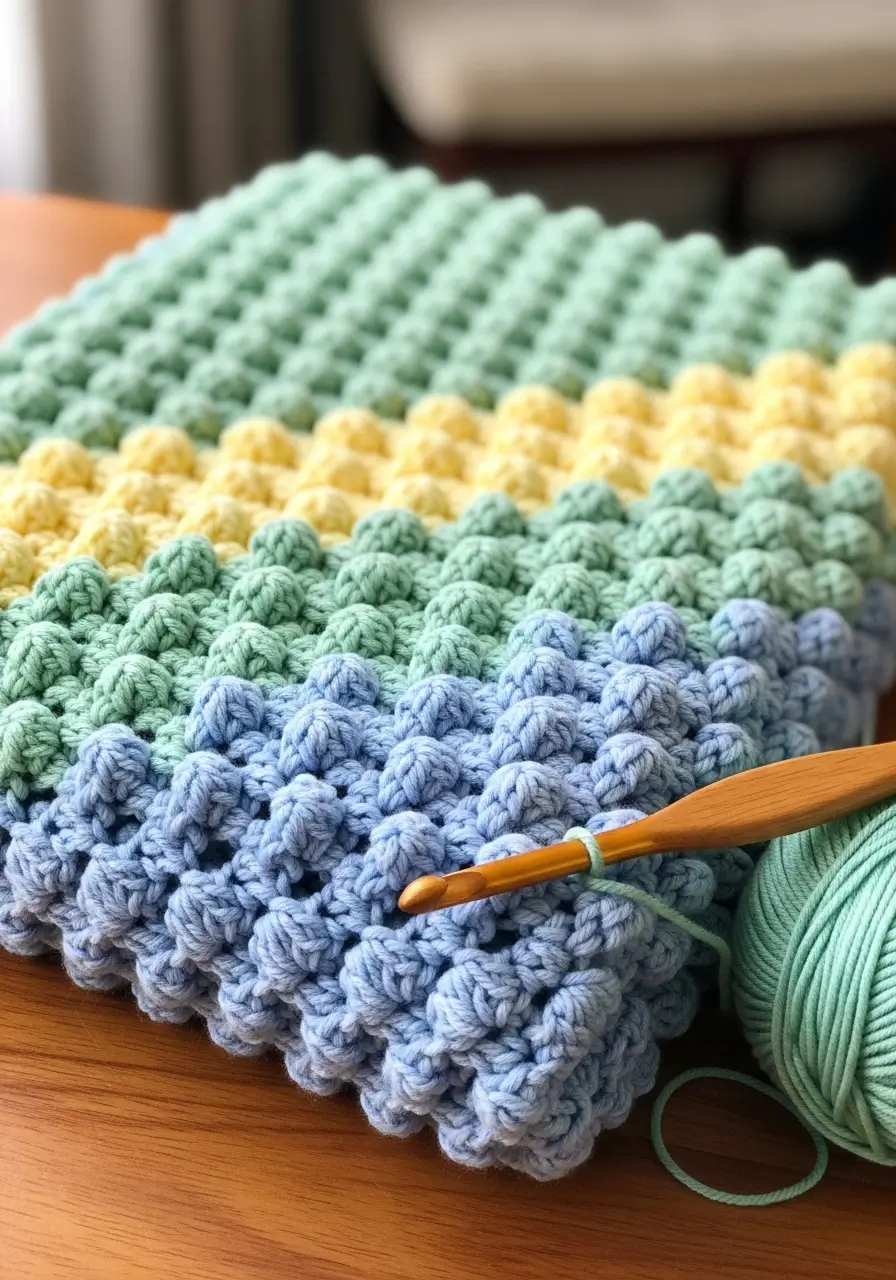
Stroller blankets need specific dimensions to drape properly without dragging. This pattern features raised texture that babies love to touch and explore. The weight provides comfort without overheating.
Skill Level: Beginner
Time Required: 12-15 hours
Finished Size: 28″ x 32″
Combine front post and back post double crochet stitches to create dimension. Work in neutral colors for universal appeal or bright shades to stimulate developing vision.
8. Amigurumi Rattle Toy
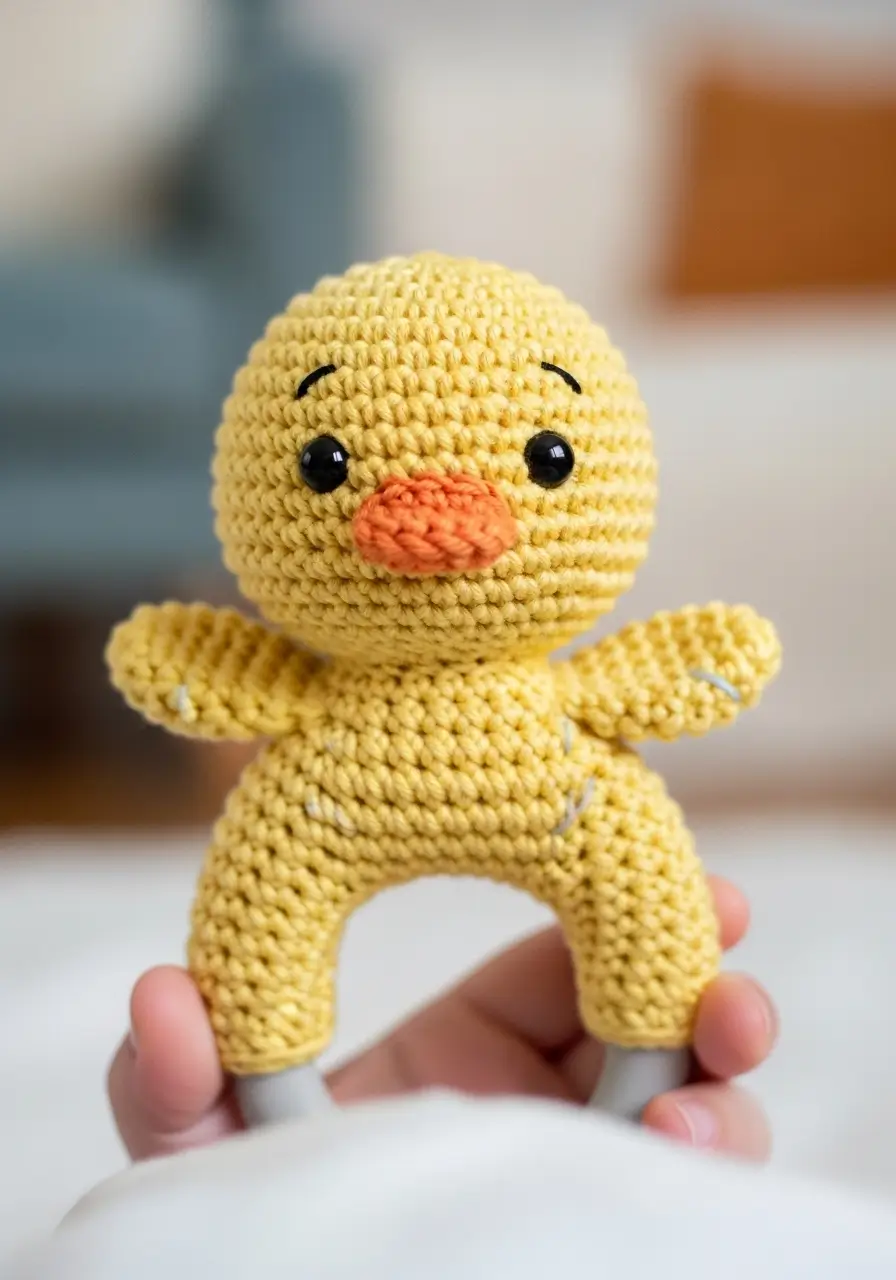
Crocheted rattles provide safe, soft toys for teething babies. Insert a rattle insert or use dried beans in a secure container. Shape options range from simple balls to elaborate animals.
Skill Level: Intermediate
Time Required: 2-3 hours
Finished Size: 4-5 inches
Work in tight single crochet to prevent stuffing from showing through. Use safety eyes or embroider features instead of buttons. Test the rattle insert volume before sealing.
9. Hooded Bath Towel
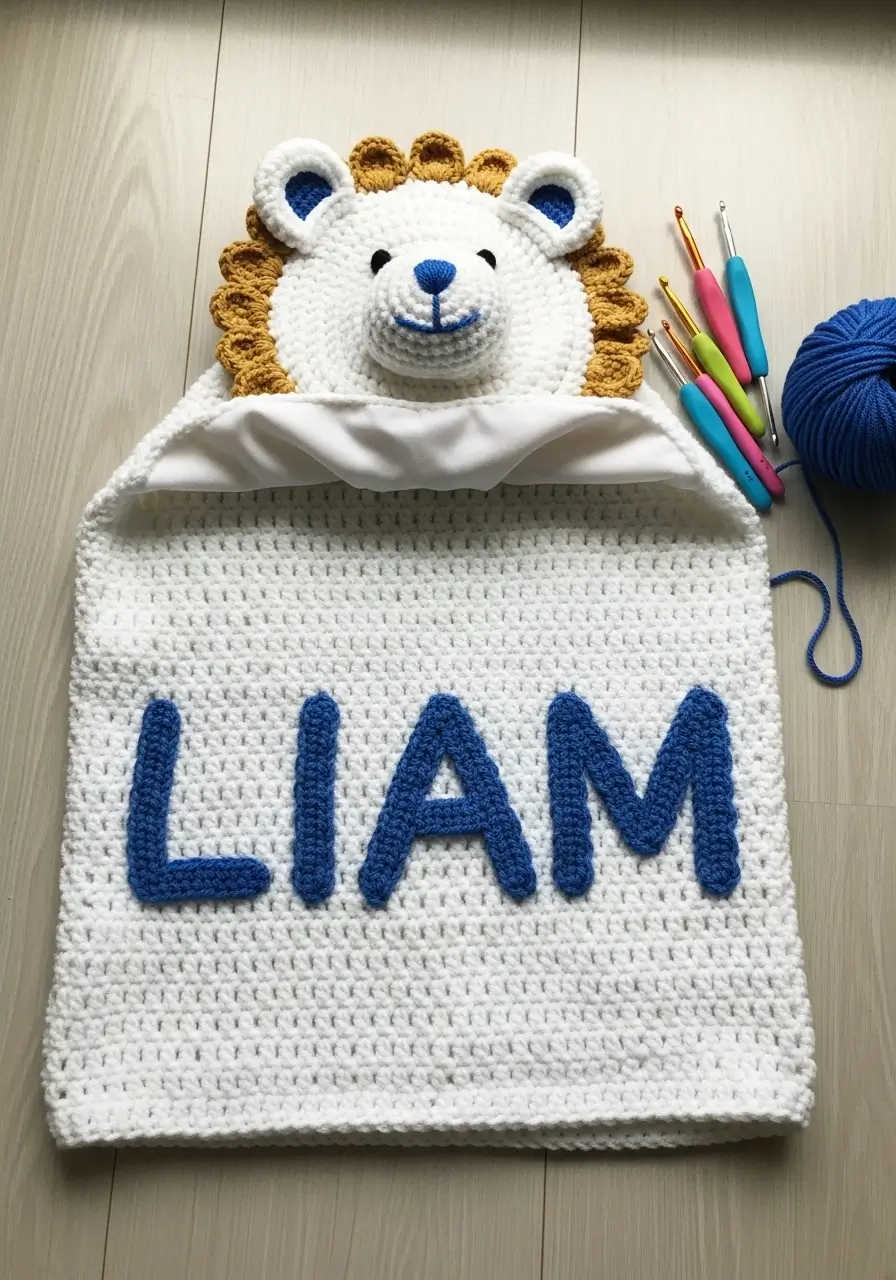
Transform bath time with a personalized hooded towel. The hood keeps babies warm after baths while adding adorable photo opportunities. Cotton yarn works best for absorbency.
Skill Level: Advanced Beginner
Time Required: 8-10 hours
Finished Size: 30″ x 30″
Crochet a large square for the towel body. Create a triangular hood separately and attach to one corner. Add animal ears or keep it simple with solid colors.
10. Diaper Cover and Hat Set
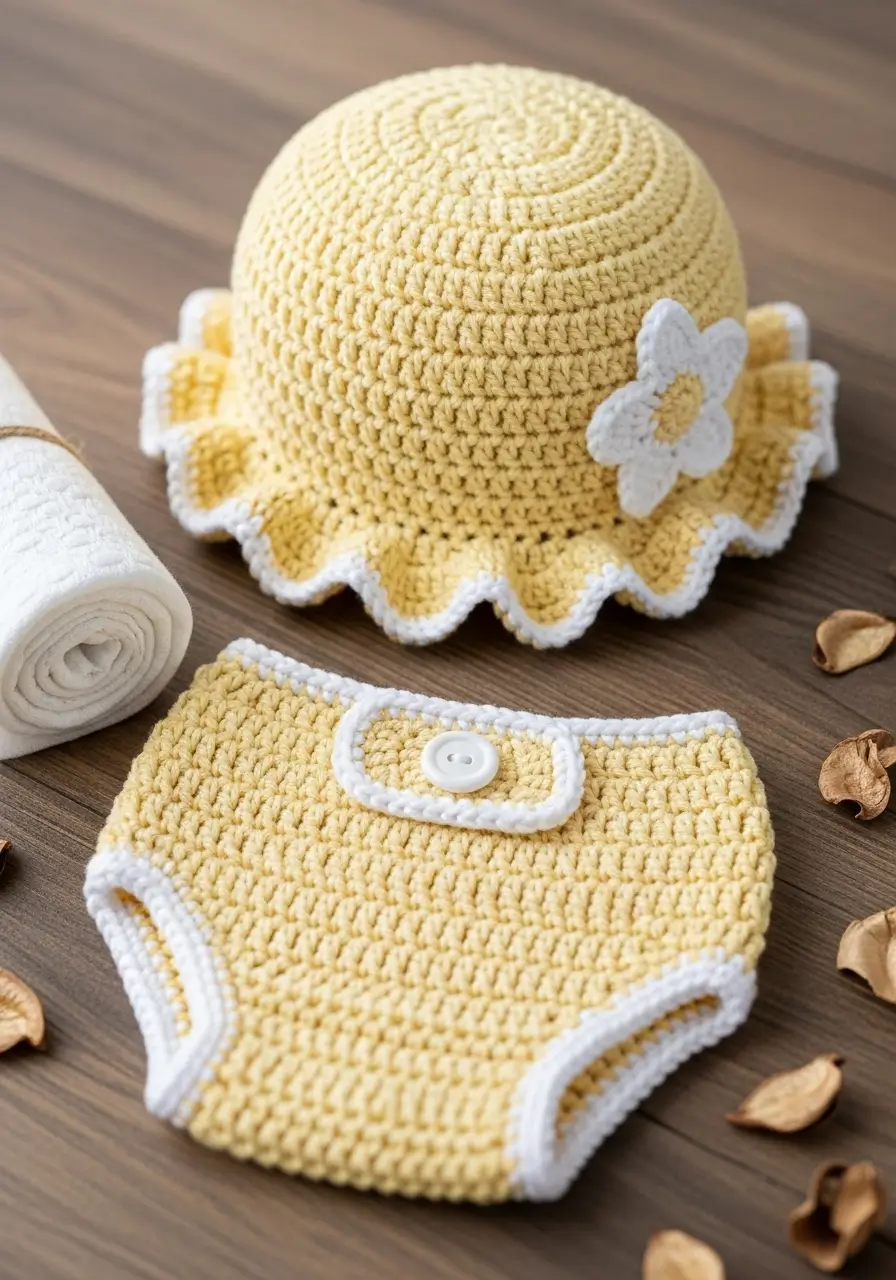
Newborn photo props remain eternally popular. This matching set creates professional-looking photos without expensive studio props. Make multiple sets in different colors for variety.
Skill Level: Beginner
Time Required: 4-5 hours for the set
Sizes Available: Newborn through 6 months
Work the diaper cover in rounds with leg openings. The matching hat uses simple decrease rounds to create the crown. Embellish with flowers, bows, or appliques.
11. Mobile Hanging Elements
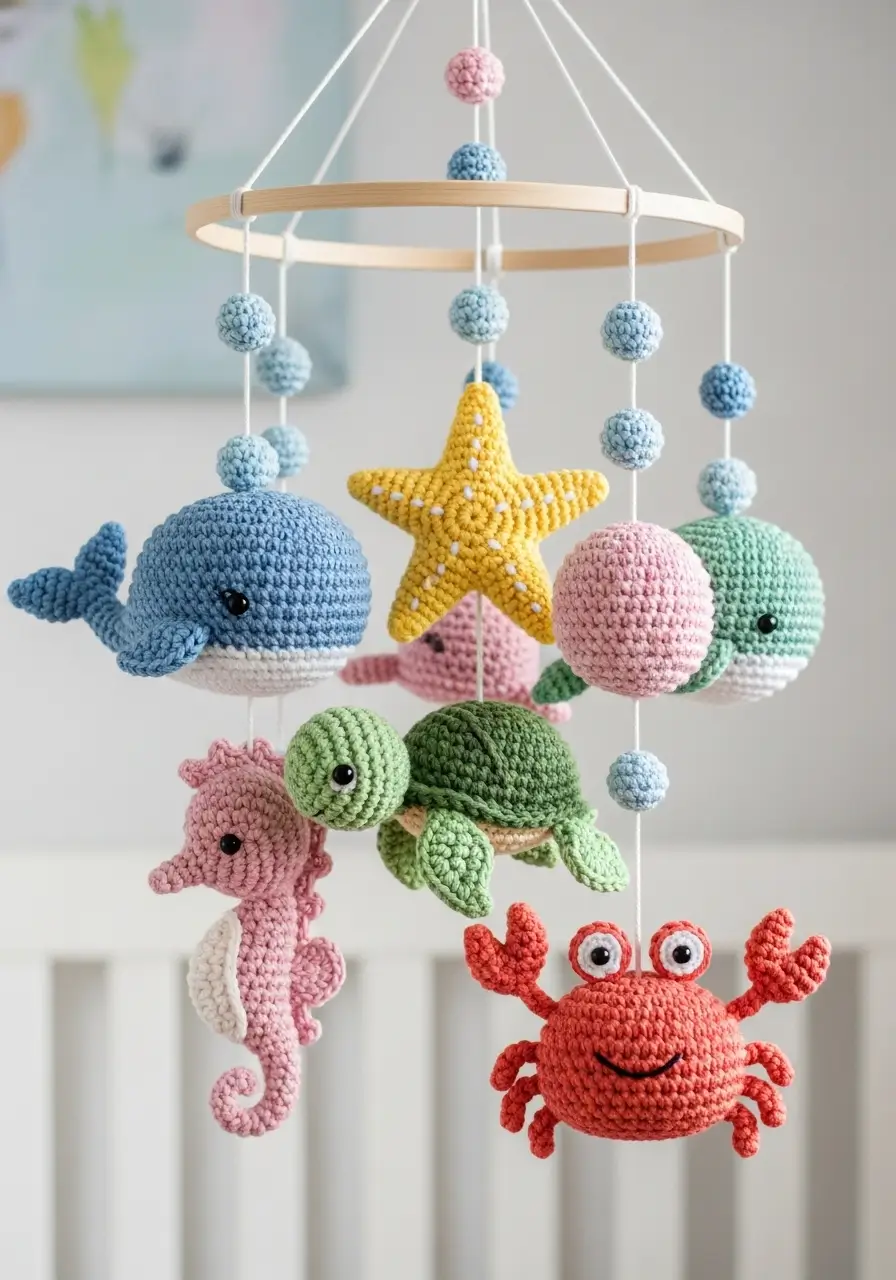
Create custom mobile decorations in any theme. These lightweight elements hang from purchased mobile frames or DIY wooden hoops. Match nursery decor perfectly with color choices.
Skill Level: Intermediate
Time Required: 6-8 hours for 5 elements
Finished Size: 3-4 inches each
Popular themes include clouds and stars, woodland creatures, ocean animals, and geometric shapes. Keep elements balanced in weight for smooth rotation. Attach securely to prevent falling.
12. Lacy Christening Gown
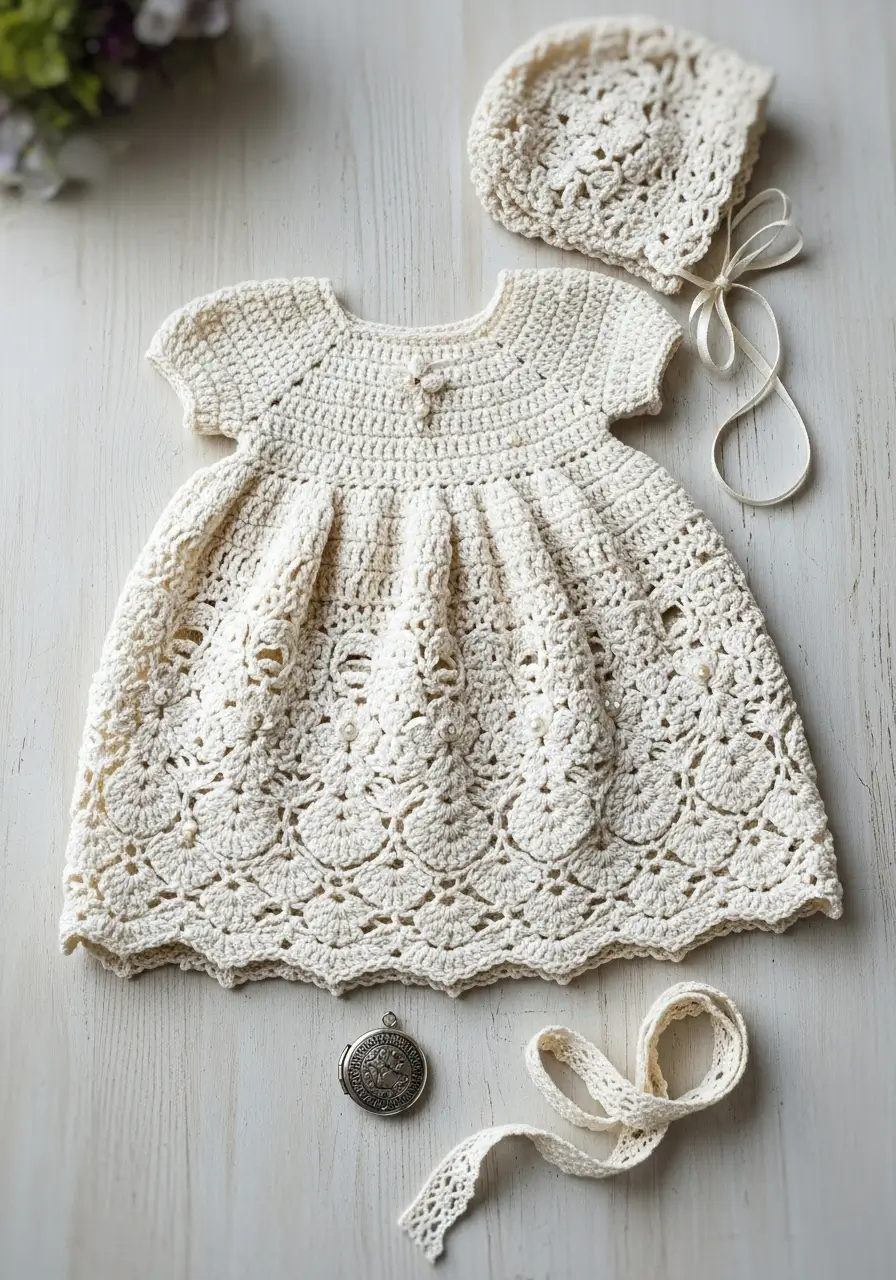
Special occasions deserve heirloom-quality garments. This delicate gown features traditional lacework and vintage styling. The pattern requires patience but creates a genuine family treasure.
Skill Level: Advanced
Time Required: 40-50 hours
Sizes Available: 0-6 months
Use fine cotton thread and small hooks for authentic results. Block carefully to open up lace patterns. Consider adding satin ribbons or pearl accents for extra elegance.
13. Car Seat Blanket with Armholes
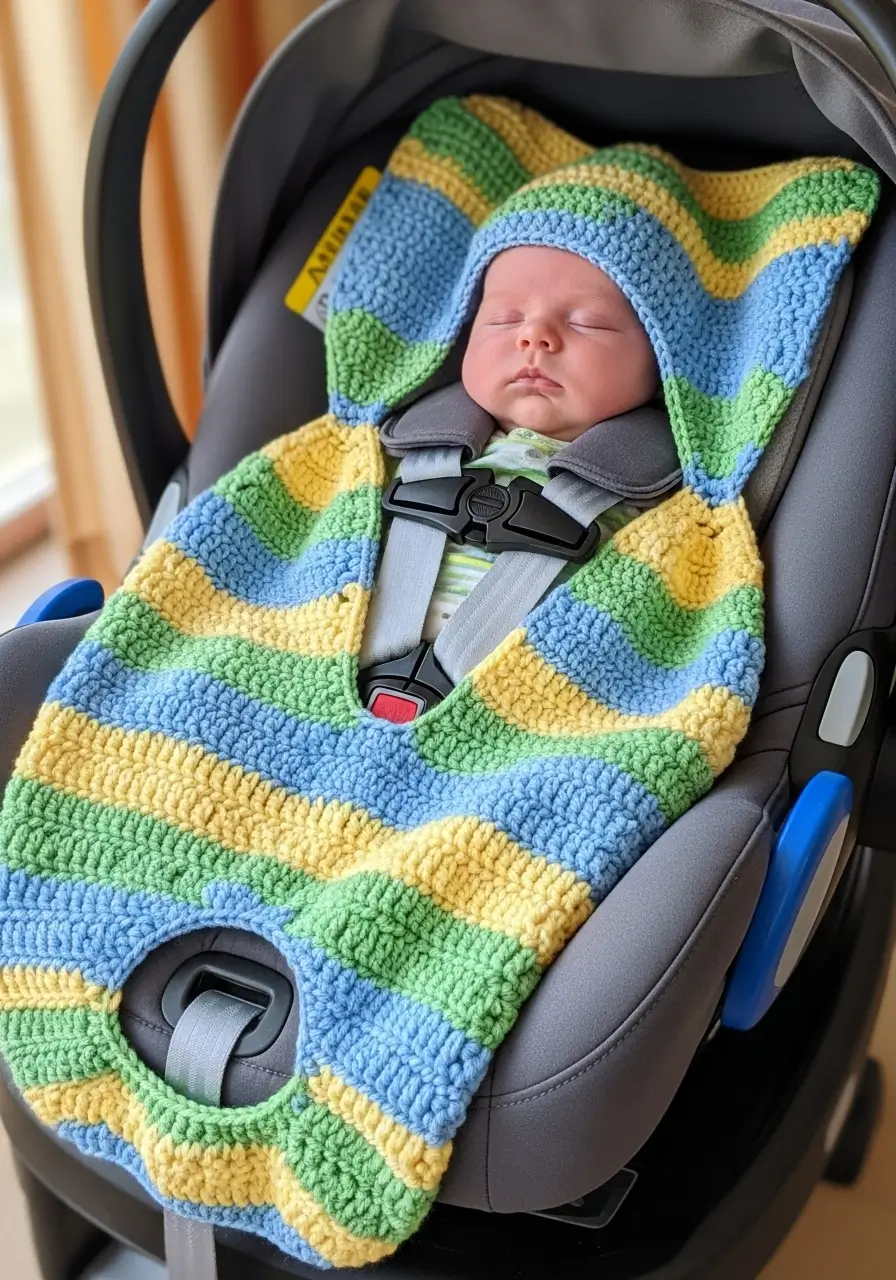
Safety regulations prohibit bulky coats under car seat straps. This clever design keeps babies warm while allowing proper harness fit. The armholes accommodate different carrier styles.
Skill Level: Intermediate
Time Required: 10-12 hours
Finished Size: 22″ x 28″ with armholes
Work a rectangular blanket with strategically placed openings. The holes should align with typical car seat strap placement. Add a hood for extra warmth in cold climates.
14. Stuffed Activity Ball
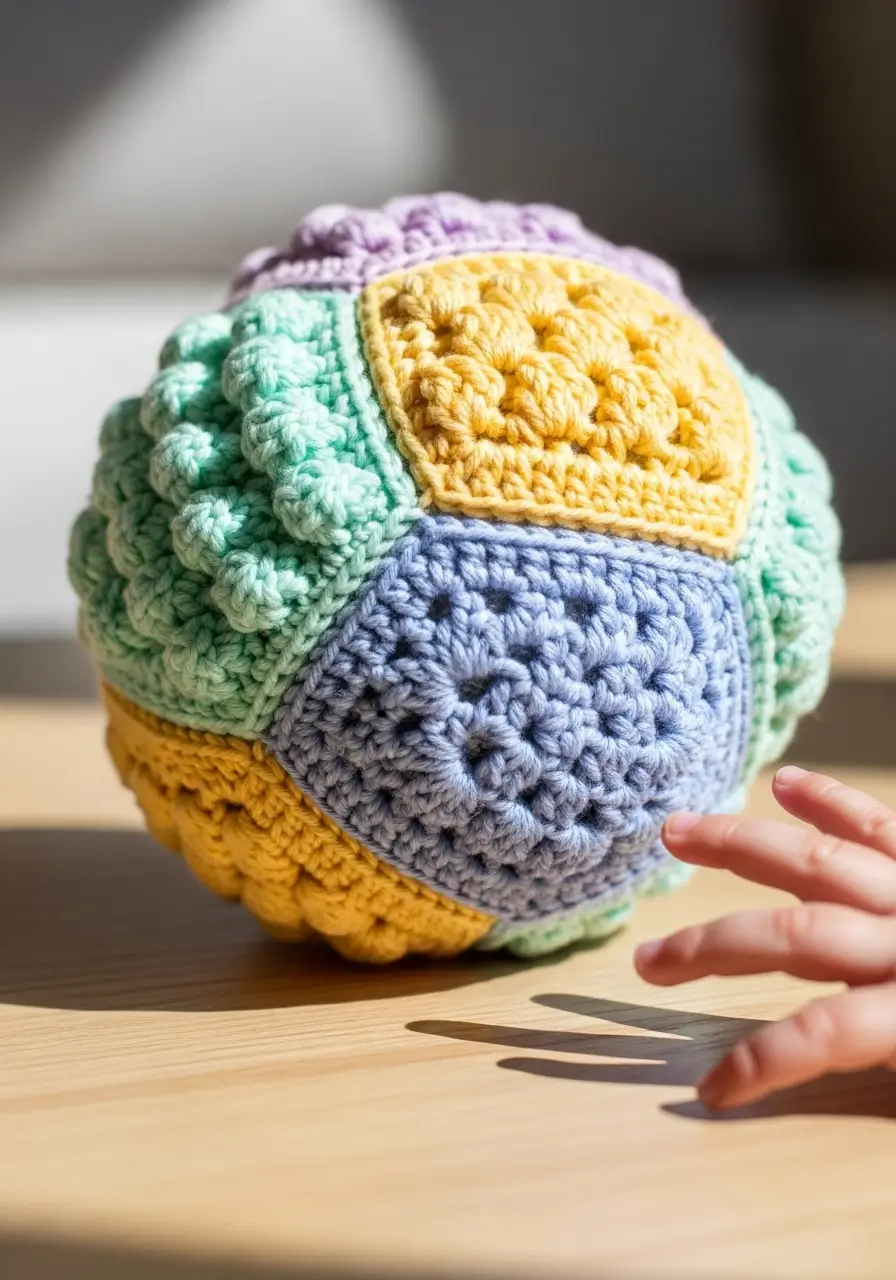
This multi-textured ball engages babies through touch and sight. Different stitch patterns create varied surfaces to explore. The soft construction makes it safe for all ages.
Skill Level: Intermediate
Time Required: 5-7 hours
Finished Size: 6-inch diameter
Create panels using different stitches like bobbles, shells, and post stitches. Sew panels together like a puzzle ball. Stuff firmly but not too hard for easy grasping.
15. Nursing Cover-Up
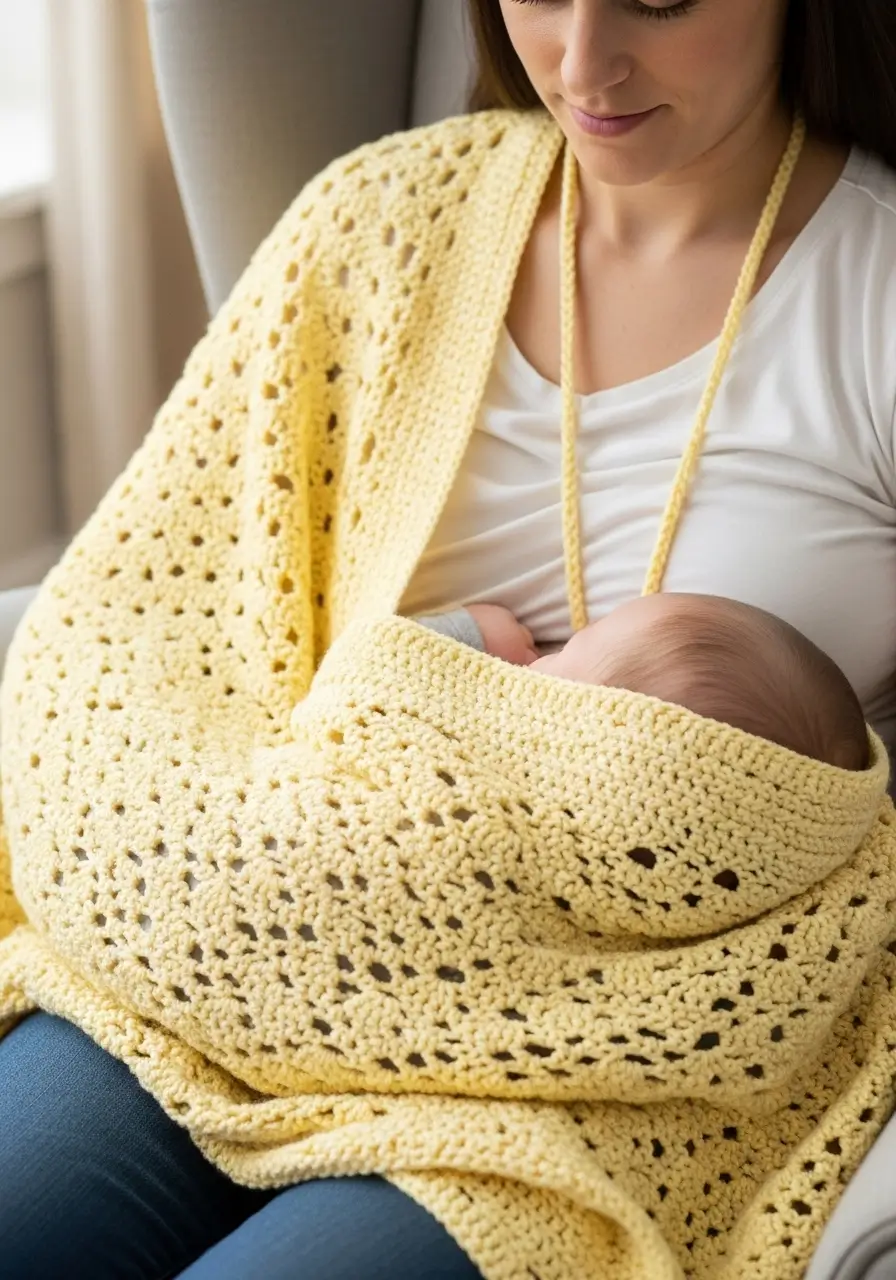
Support breastfeeding parents with a handmade privacy cover. The lightweight design provides coverage without trapping heat. A neck strap keeps it positioned correctly during use.
Skill Level: Beginner
Time Required: 4-6 hours
Finished Size: 25″ x 30″
Work in an open stitch pattern for breathability. Create a curved neckline that drapes naturally. Add a ribbon or strap for around-the-neck wearing.
16. Playmat with Attached Toys
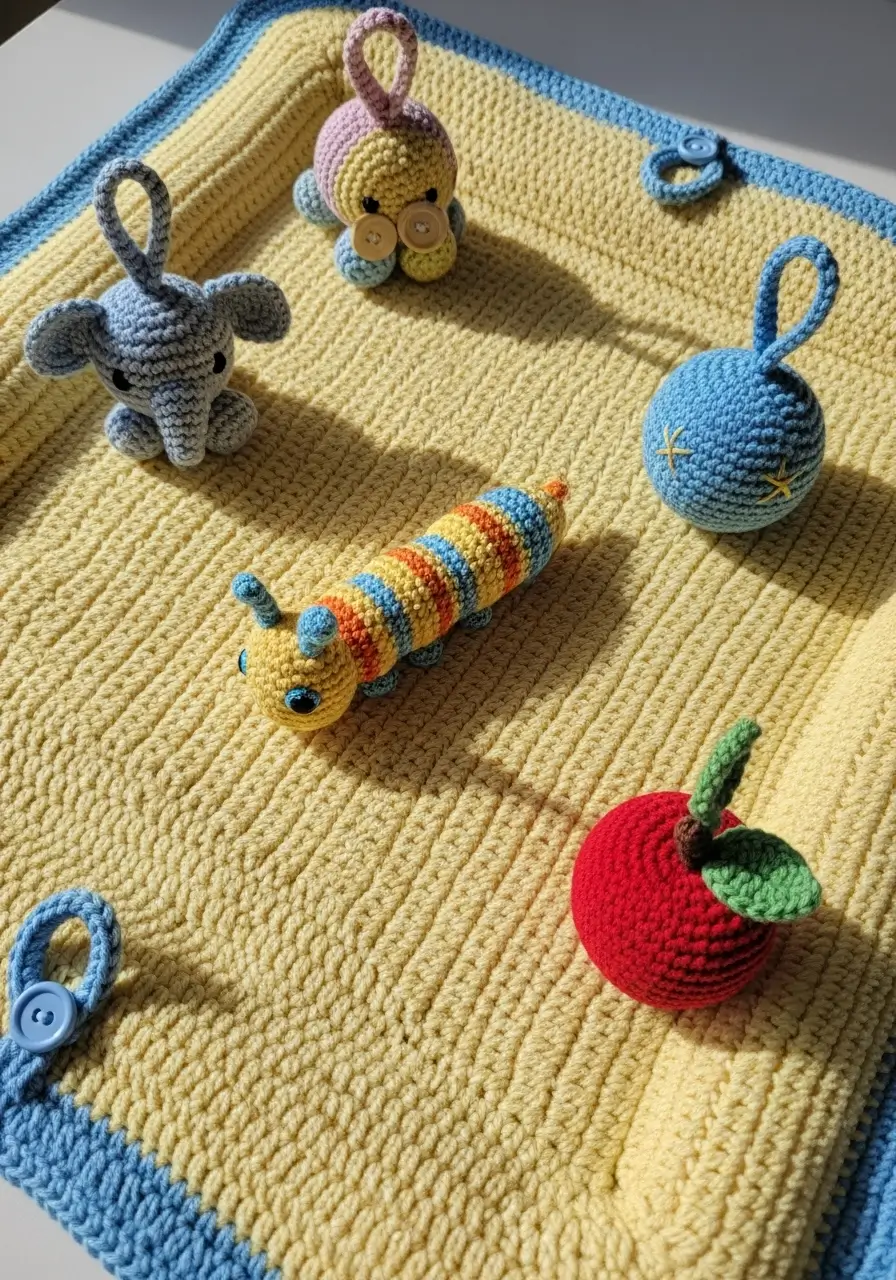
Tummy time becomes more engaging with this interactive mat. Attach crocheted toys at different points to encourage reaching and grasping. The cushioned surface protects during practice.
Skill Level: Advanced
Time Required: 20-25 hours
Finished Size: 36″ x 36″
Create a thick, padded base using double strands or a dense stitch. Design four to six small toys that attach with ribbons. Consider a theme like garden, ocean, or forest.
17. Seasonal Costume Pieces
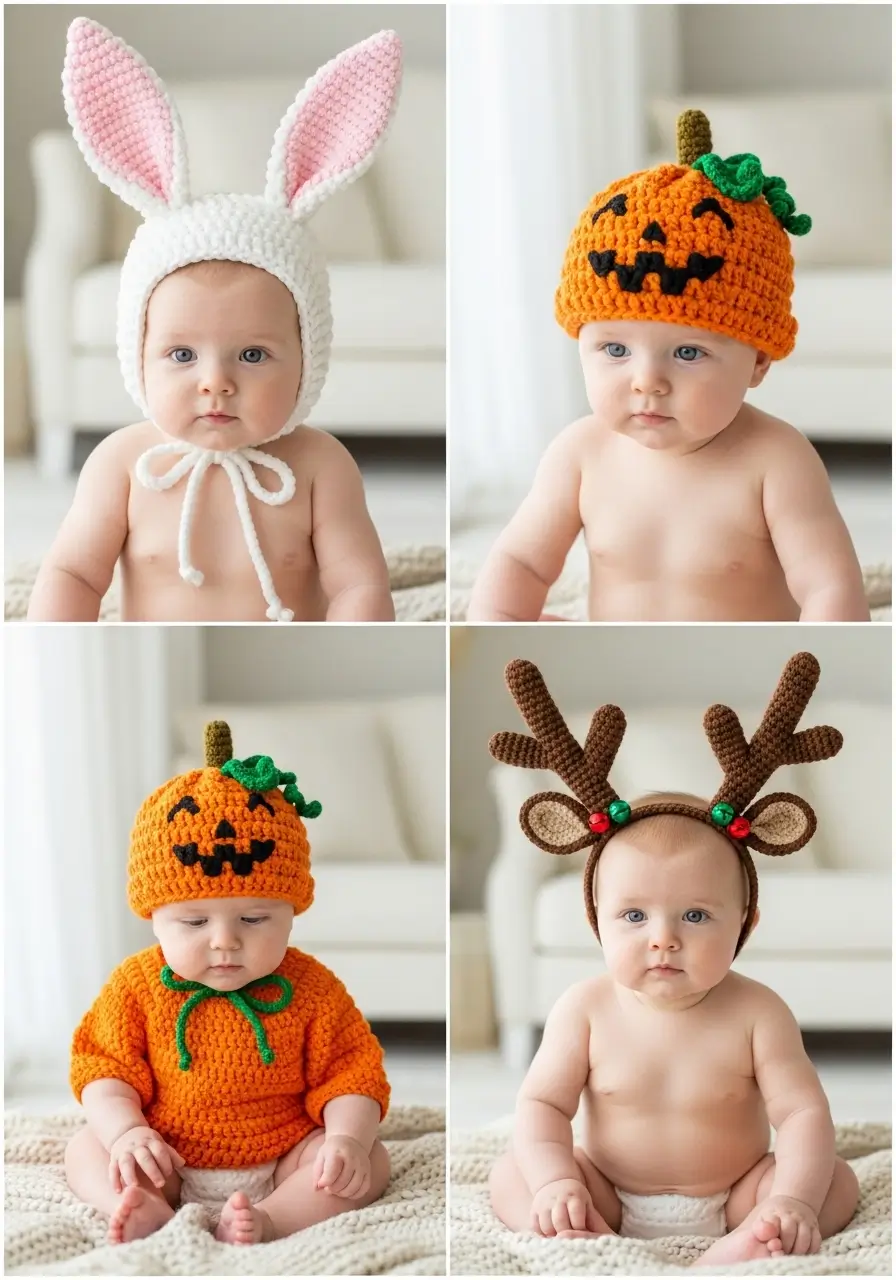
First holidays call for memorable photos. Create costume elements like bunny ears, pumpkin hats, or reindeer antlers. These quick projects make perfect shower gifts when grouped seasonally.
Skill Level: Beginner to Intermediate
Time Required: 2-4 hours per piece
Sizes Available: 0-12 months
Base patterns on simple beanies with embellishments. Attach costume elements securely but removably for washing. Package with coordinating diaper covers for complete outfits.
18. Personalized Name Blanket
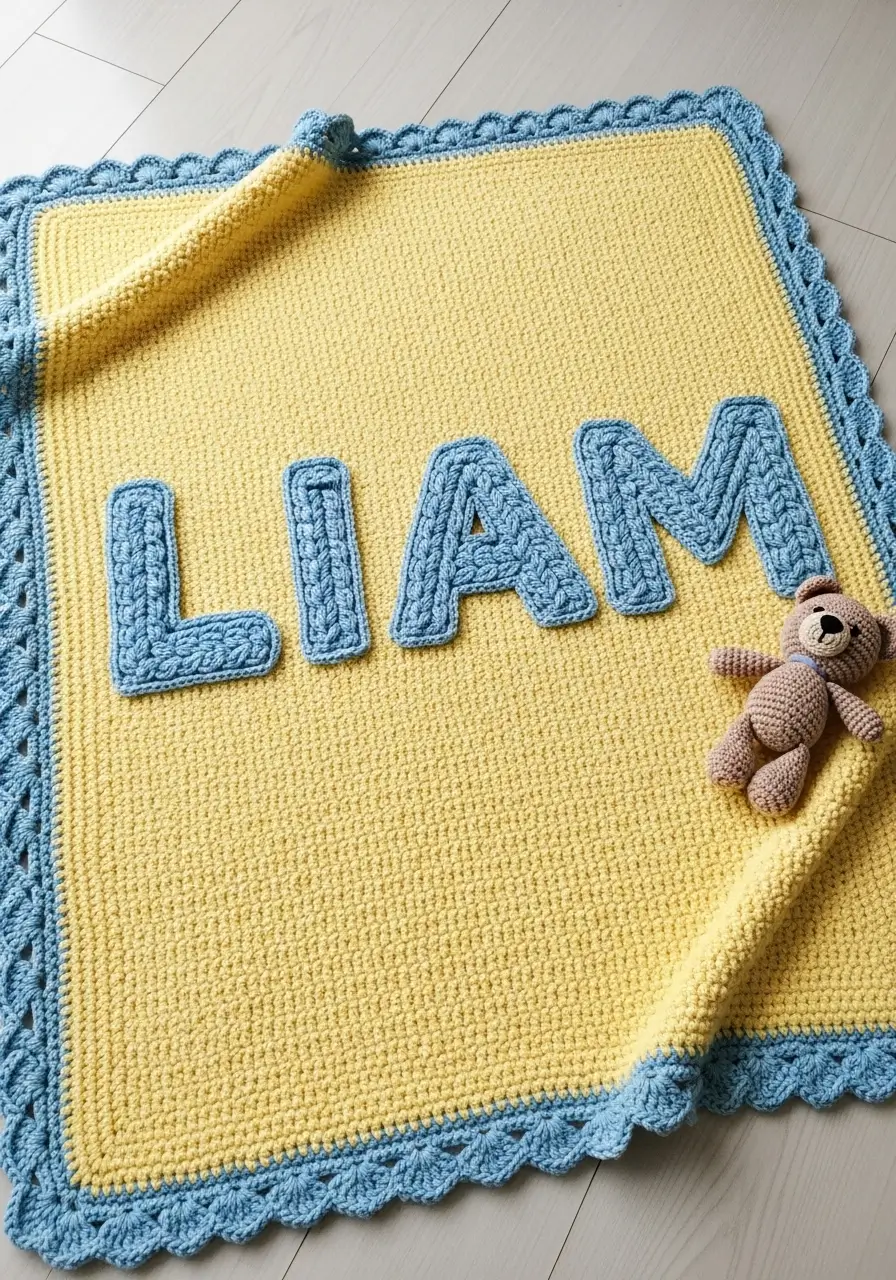
Nothing says “made with love” like a blanket featuring the baby’s name. This advanced project requires careful planning but produces stunning results. The name becomes a permanent part of the design.
Skill Level: Advanced
Time Required: 25-35 hours
Finished Size: 30″ x 40″
Use graph paper to chart the name in block letters. Work in tapestry crochet or use applique methods. Frame the name with coordinating borders and corner designs.
Key Takeaways for Success:
- ✓Choose soft, washable yarns specifically labeled as baby-safe for all projects
- ✓Start with beginner patterns to build confidence before tackling advanced designs
- ✓Always check and maintain proper gauge for correctly-sized finished items
- ✓Weave in ends securely and double-check all seams for baby safety
- ✓Block finished pieces for professional appearance and proper dimensions
- ✓Keep detailed notes on yarn choices and hooks for future reference or matching sets
Related Post: 12 Trendy Glasses Over 41 That Make You Look Fresh
Safety Considerations for Crochet Baby Items
Safety must guide every decision when creating items for babies. Small parts, choking hazards, and fabric choices all require careful attention. Following established guidelines protects the babies who use your creations.
Embellishment Guidelines
Buttons, beads, and other small decorations create choking risks. Babies explore everything with their mouths, making loose parts dangerous. Choose safer alternatives whenever possible.
Embroider eyes and noses instead of attaching plastic safety eyes. While marketed as safe, safety eyes can pop out with enough force. Embroidery stays permanently attached and adds a handmade charm.
Skip ribbons and strings on items for babies under one year. These pose strangulation risks during unsupervised time. If you must include ribbons, keep them shorter than 7 inches and attach them extremely securely.
Appliques offer decoration without the risks of separate pieces. Crochet flowers, animals, or shapes directly onto blankets or clothing. Sew them on with tight, secure stitches that cannot pull loose.
Stitch Tightness and Stuffing
Stuffed toys require particularly tight tension. Work amigurumi projects in single crochet with a hook one size smaller than the yarn recommends. This prevents stuffing from peeking through and keeps filling secure inside.
Use high-quality polyester fiberfill specifically labeled as washable and hypoallergenic. Avoid natural stuffing like wool, which can felt and bunch during washing. Never use beans, rice, or other food items that can mold or attract pests.
Washing and Care Instructions
Include care instructions with every gift. New parents juggle numerous responsibilities, so clear washing guidance helps your creation last longer. Write instructions on cardstock and attach with yarn ties.
Test wash a swatch before completing large projects. Some yarns pill excessively or lose softness after washing. Discovering this after finishing a blanket creates disappointment and wasted effort.
Color Psychology and Design Choices
Color selection impacts both aesthetics and child development. Understanding basic color psychology helps create items that serve multiple purposes beyond simple coverage.
Newborns see high-contrast patterns most clearly. Black and white designs catch their attention and support visual development. Add these bold combinations to toys and activity items meant for very young babies.
By three months, babies perceive bright primary colors. Red, blue, and yellow stimulate developing vision and engage attention. Use these shades in mobile elements and play items.
Pastels dominate traditional baby items for a reason. Soft pinks, blues, yellows, and greens create calming environments that support sleep and relaxation. Reserve these gentle tones for blankets and bedroom items.
Gender-neutral palettes continue growing in popularity. Gray, white, yellow, and green combinations suit any baby while maintaining sophistication. These choices work particularly well for gifts when you don’t know the baby’s sex.
Consider color combinations that photograph well. Parents share countless baby photos on social media. Jewel tones and complementary color schemes create striking images that showcase your handiwork.
Time Management for Multiple Projects
Creating a complete crochet baby wardrobe or gift basket requires planning. Breaking projects into manageable chunks prevents burnout and maintains enthusiasm throughout the process.
Set realistic timelines based on actual available crochet time. Life gets busy, and overcommitting leads to stress. A simple blanket might take two weeks when you can only crochet an hour each evening.
Pair quick projects with longer ones to maintain momentum. Work on a hat between blanket rows. Complete booties while thinking through a complex cardigan pattern. This variety keeps things interesting.
Consider production line techniques for multiple gift items. Make all the blanket squares at once, then join them together. Work on several hats simultaneously, rotating between them to avoid boredom.
Take advantage of portable projects. Small items like booties and hats travel easily. Keep these in progress for waiting rooms, commutes, or lunch breaks. Those spare moments add up quickly.
Adapting Patterns for Different Sizes
Babies grow at remarkable rates. A newborn-size item might only fit for weeks. Understanding how to adjust patterns helps create items with longer usability or matching sets for different ages.
Most patterns include multiple sizes with instructions for each. Read through the entire pattern before starting to understand how increases and decreases create size variations. Highlight the size you are making to avoid confusion during work.
When patterns offer only one size, add rows or rounds to increase dimensions. Blankets gain size easily by working additional pattern repeats. Clothing requires more careful planning to maintain proper proportions.
Gauge becomes critical when sizing matters. Hats that fit too loosely slide over eyes, while tight ones cause discomfort. Take time to check gauge and adjust hook sizes as needed. This extra step prevents disappointing results.
Create a size reference chart for future projects. Note actual measurements alongside labeled sizes. Baby clothing manufacturers lack consistency in sizing, and handmade items need clear documentation.
Gift Presentation Ideas
Thoughtful presentation elevates handmade gifts from simple items to treasured keepsakes. The extra effort shows care and increases the perceived value of your work.
Fold blankets with care instructions visible on top. Roll them and tie with coordinating ribbon for display-worthy presentation. Consider clear gift boxes that showcase the colors and texture without hiding your work.
Create themed gift baskets combining multiple items. Pair a blanket with matching hat and booties. Add a stuffed toy and pacifier clips for complete sets. These curated collections work beautifully for baby showers.
Include a handwritten note explaining the care you took in creating the item. Mention the hours spent, the yarn chosen, and the love stitched into every row. This personal touch connects the recipient to the maker.
Photograph items before gifting. Parents love sharing photos of gifts, but their pictures might not do your work justice. Offer to share your professional photos for their announcements or thank-you notes.
Building Your Pattern Library
Successful crocheters maintain organized pattern collections. This system saves time when starting new projects and helps track what works well for your style and skill level.
Digital organization works well for downloaded patterns. Create folders by project type (blankets, clothing, toys) and subfolder by difficulty. Add notes about yarn used and modifications made when you complete each pattern.
Print patterns you use repeatedly. Store them in sheet protectors within a binder. This prevents damage during use and keeps frequently used patterns accessible. Tab sections for quick reference.
Take photos of completed projects with pattern details. Note the yarn brand, color, and amount used. Document hook size and any adjustments made. Future you will appreciate this thorough record-keeping.
Join online crochet communities to discover new patterns. Fellow crocheters share favorites and offer advice on tricky patterns. These connections provide support and inspiration for your craft journey.
Troubleshooting Common Issues
Even experienced crocheters encounter problems. Knowing how to identify and fix common issues saves projects from the discard pile.
Tension Problems
Inconsistent tension creates uneven fabric with visible differences between sections. This happens when working while tired, stressed, or distracted. Taking breaks helps maintain consistent tension throughout projects.
If tension varies significantly, block the finished item aggressively. Wet blocking with pins can even out minor inconsistencies. Severe cases might require partial unraveling and rework.
Stitch Count Errors
Lost or gained stitches throw off patterns and create wonky shapes. Use stitch markers liberally to track counts. Place them every 10 or 20 stitches in long rows, not just at ends.
Count stitches frequently, especially when learning new patterns. Fixing errors immediately takes less time than ripping out many rows later. Mark your pattern with completed row numbers to prevent repeats or skips.
Yarn Splitting
Some yarns split constantly during work. Change to a hook with a more rounded tip. Pointy hooks catch individual plies rather than working through the whole strand. Better yarn quality also reduces splitting.
Work more deliberately with problem yarns. Slow down and ensure you catch the entire strand with each stitch. This attention prevents the frustration of constantly picking out split plies.
Sustainable Practices in Baby Crochet
Environmental consciousness influences modern crafting choices. Implementing sustainable practices reduces your carbon footprint while creating beautiful items.
Choose natural fiber yarns when possible. Cotton, bamboo, and wool break down naturally unlike acrylic, which persists in landfills. Look for organic and ethically sourced options from reputable yarn companies.
Use up yarn scraps in creative ways. Small amounts work perfectly for embellishments, toy stuffing bags, or joining granny squares. Keep a scrap basket and challenge yourself to use it before buying new yarn.
Buy quality over quantity. Well-made hooks last for decades while cheap sets break quickly. The same applies to yarn. Better quality creates items that withstand years of use rather than falling apart after a few washes.
Share or donate unused yarn and patterns. Other crafters will appreciate supplies you no longer need. Local community centers, schools, and senior homes often welcome craft supply donations.
Frequently Asked Questions
What type of yarn works best for crochet baby blankets?
Cotton and acrylic yarns labeled specifically for baby items work best. Cotton provides natural breathability and holds up beautifully through countless washes. Modern baby acrylics offer incredible softness at lower prices. Choose yarns marked as machine washable since baby items need frequent cleaning. Avoid mohair, angora, or any fuzzy yarn that sheds fibers. Check that the yarn feels soft against your neck before committing to a large project. Organic cotton appeals to environmentally conscious parents but costs significantly more than standard cotton. Weight-wise, worsted weight yarn (size 4) works up quickly while creating substantial fabric. Sport weight produces lighter blankets better suited for warmer climates.
How long does it take to complete a crochet baby blanket for a beginner?
Beginners typically need 15-25 hours to complete a simple baby blanket measuring 30 by 36 inches. This timeline assumes working with worsted weight yarn and basic stitches like single or double crochet. Complex patterns with multiple colors or intricate stitches extend the time considerably. Your actual speed depends on several factors including how many hours you can dedicate daily and your tension consistency. Working one hour each evening means about three weeks from start to finish. Marathon crochet sessions on weekends can reduce the timeline to under two weeks. Remember that beginners work slower than experienced crocheters, but speed increases with practice. Start your first blanket well before any gift deadline to avoid stress. Take breaks to prevent hand fatigue and maintain consistent tension throughout the project.
Are safety eyes safe for crochet baby toys, or should I use alternatives?
Despite their name, safety eyes pose risks for babies and toddlers who explore everything orally. The plastic pieces can pop out with determined pulling, creating choking hazards. Embroidered features eliminate this danger entirely. Use black embroidery floss or yarn to stitch eyes and facial features directly onto the toy. This method adds charm and ensures nothing can detach. If you must use safety eyes for older children, install them extremely securely with the backing locked tight. Test by pulling hard before gifting. Consider the child’s age and developmental stage when making this decision. Toys for babies under 18 months should always feature embroidered details rather than attached pieces. For older children who no longer mouth everything, quality safety eyes work fine. Document your choice in care instructions so parents can inspect the toy periodically for wear.
What crochet baby items make the best gifts for baby showers?
Blankets consistently rank as top baby shower gifts because families use them for years. Choose a generous size around 36 by 40 inches for maximum versatility. Pair blankets with matching hats or booties to create impressive gift sets. Lovey security blankets also make thoughtful presents since parents often buy multiples as backups. Consider practical items like stroller blankets or car seat blankets with armholes. These solve specific problems parents face and demonstrate your understanding of their needs. Photo prop sets including diaper covers and themed hats appeal to parents who love documenting milestones. Avoid clothing items unless you know sizing preferences since babies grow unpredictably. Stick with 6-12 month sizes if making clothing since newborn items get outgrown almost immediately. Present your gift beautifully in a clear box or basket with care instructions attached. Include a note explaining the time and thought you invested.
How do I resize crochet baby patterns if the original size doesn’t fit my needs?
Start by understanding how the original pattern achieves its size through stitch counts and rows. For blankets, simply work additional pattern repeats until you reach desired dimensions. Add complete pattern sequences rather than partial repeats to maintain design integrity. Clothing requires more careful calculation since proportions matter. Measure a well-fitting garment in the target size and compare those measurements to pattern dimensions. Calculate the difference and determine how many additional stitches or rows you need. Gauge becomes critical here since it affects all measurements. Work a larger gauge swatch and block it exactly as you will the finished item. Make sure to increase evenly across rows to maintain proper shaping. For circular items like hats, add extra rounds of the body section before starting decreases. Test fit patterns as you work if possible. Some babies run larger or smaller than average, making adjustments necessary even within the same age range. Keep detailed notes on modifications for future projects.
Final Thoughts
Creating handmade items for babies connects us to generations of makers who came before. Each crochet baby project carries love forward, stitch by stitch, into the future. These 18 patterns provide starting points for countless variations limited only by your imagination and creativity.
Start with simpler patterns to build confidence and skill. Master basic techniques before attempting advanced projects. Remember that every experienced crocheter began exactly where you are now, learning one stitch at a time.
The items you create today become tomorrow’s treasured memories. That blanket you spend hours perfecting might comfort a child through scary moments or accompany them to college. Your booties might appear in newborn photos shared for generations. This power to create meaningful objects makes crochet a truly special craft. Pick up your hook, choose your yarn, and start creating something beautiful.