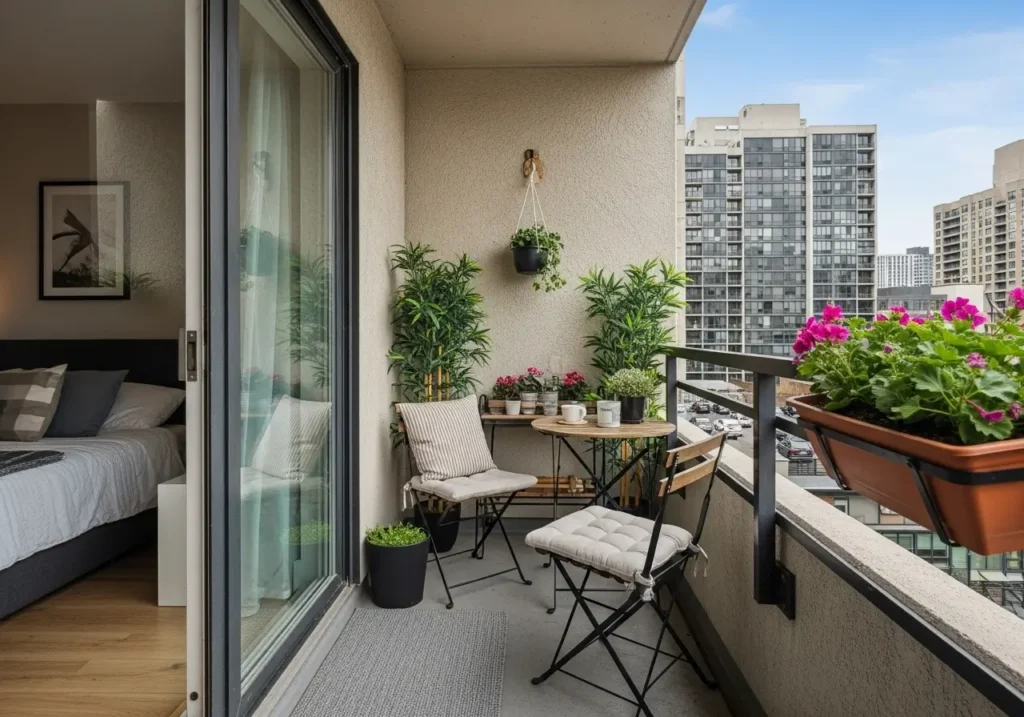
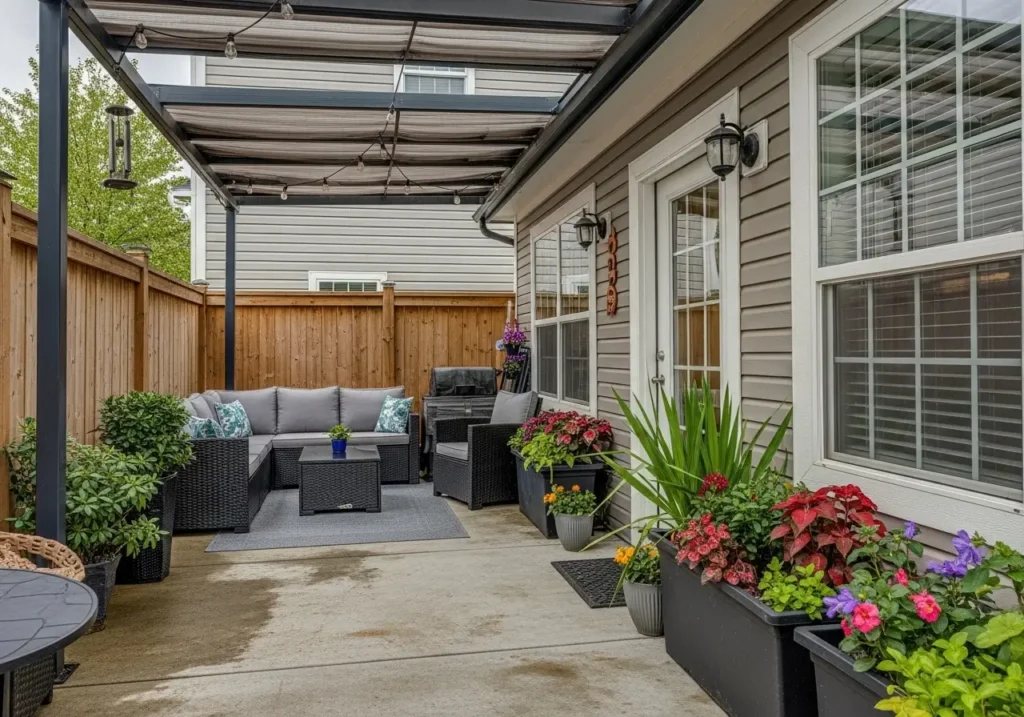
A great Outdoor Dining Set does more than fill empty patio space. It turns a forgotten slab of concrete, deck boards, or pavers into a place where breakfast feels slower, dinner lasts longer, and even takeout feels a little more put together. A bad set does the opposite. It wobbles, overheats in the sun, crowds the walkway, and looks better in a product photo than it ever does in real life. That gap is why buying outdoor dining furniture is not just about color or trend. It is about how the table fits the space, how the chairs support actual bodies, and whether the materials can survive your weather without becoming a maintenance project you resent.
I have looked at enough patios, balconies, decks, and backyard setups to notice the same pattern: most outdoor dining areas fail because people shop visually first and functionally second. They fall for a giant table because it looks generous, then realize nobody can pull the chairs out. Or they buy a delicate café set that looks charming online, then find out it feels flimsy by week three. The smartest outdoor dining setup is usually the one that matches real habits. How many people eat there most often. Whether you host often or imagine that you do. Whether the patio gets punishing sun, heavy rain, tree debris, or strong wind. Start there, and the choices get much easier.
Why an outdoor dining set changes the way you use your backyard
The biggest difference between a backyard that gets admired and a backyard that gets used is almost always seating. Plants help. Lighting helps. A rug helps. But a properly chosen dining set gives the space a purpose. It tells everyone where to gather, where to put a plate, where to talk, where to linger after the food is gone.
That purpose matters more than people expect. Outdoor spaces can feel vague when they are only furnished with scattered lounge pieces or a couple of random chairs. A dining set creates structure. Even a simple table with four chairs makes a patio feel finished because it supports real routines: coffee outside, kids doing homework near dinner prep, weekend brunch, late-evening tea, casual work calls, and those spontaneous meals that happen because the weather is finally good.
There is also something useful about a table-height setup that low lounge furniture cannot replace. It is easier to eat at, easier for older guests to get in and out of, easier to serve, and easier to use for things that are not strictly dining. I have seen outdoor dining sets double as gardening stations, craft tables, laptop spots, party buffets, and catch-all surfaces during family gatherings. A lounge setup is about relaxation. A dining setup is about versatility.
How to choose the right outdoor dining set size
Size is where most mistakes begin. People either buy too large because they want to be ready for every future gathering, or too small because the patio feels bigger when it is empty. Neither approach works well once the furniture is in place.
The right way to start is with measurements, not wishful thinking. Measure the area where the set will sit, but do not stop there. You also need to account for chair pull-out space, walking clearance, nearby doors, grills, planters, railings, and any awkward corners that shrink usable room. A table that technically fits can still make the patio annoying to move through.
How much space do chairs really need?
This is the hidden dimension buyers overlook. The table footprint is only the beginning. Chairs need room to slide back, and people need room to pass behind them without twisting sideways.
A practical rule of thumb:
Leave at least 36 inches of circulation space around the dining area if possible.
If the space is tighter, 30 inches can work, but it will feel more compact.
Each dining seat generally needs about 24 inches of width.
Armchairs may need more room than armless chairs, especially if they do not tuck neatly.
When I want to test a patio layout without guessing, I mark the footprint with painter’s tape. It looks simple, but it saves expensive mistakes. Tape out the table size. Add the chair pull-back depth. Walk around it as if you are carrying plates or opening a sliding door. If the layout already feels fussy before the furniture arrives, it will not improve later.
Best outdoor dining set sizes by household use
A good buying question is not “How many people could this seat?” It is “How many people will use this most of the time?”
Here is the practical breakdown:
2 people: Bistro set, compact square table, or small round table.
4 people: Round 36 to 48 inch table, or compact rectangular table.
6 people: Rectangular 60 to 72 inch table, or larger round table.
8 people: Long rectangle or extension table, preferably in a space with generous circulation.
More than 8: Only if you host often enough to justify it. Otherwise, an extendable table is smarter.
One of the easiest ways to ruin an outdoor dining area is buying for the two biggest parties of the year instead of the fifty ordinary meals that happen in between. Daily usefulness beats occasional maximum capacity almost every time.
Small patio and balcony dining setups
Small spaces need more discipline, not less style. On a balcony or narrow patio, the goal is to keep the setup feeling open enough that you still enjoy being out there.
What works best:
Round or square tables with a compact footprint.
Slim-profile chairs that tuck fully underneath.
Folding or stackable dining chairs.
Pedestal-base tables, which often allow more flexible legroom than four-legged tables.
Benches on one side if wall placement allows it.
A small outdoor dining set can still feel special. In fact, smaller dining areas often look better because everything feels intentional. A pair of good chairs and a compact table with the right proportions beats a squeezed-in four-seater that makes the patio feel cramped.
Medium patios and average backyards
This is where most people shop, and it is also where the best options usually exist. A medium patio can handle more shape and comfort without becoming cluttered.
The sweet spot often looks like this:
A 48 to 72 inch rectangular table, depending on household size.
Four to six chairs.
Enough clearance to move comfortably around the set.
A rug, umbrella, or nearby planter to define the dining zone.
For this size patio, I usually recommend resisting the urge to go oversized. Furniture should leave the space feeling usable, not fully consumed.
Large backyards and entertaining spaces
Big yards tempt people into giant tables, and sometimes that is exactly right. But scale is not just about fitting the furniture. It is about making the set feel connected to the house and not stranded in open space.
Large outdoor dining sets work best when they are anchored by something:
A pergola.
An outdoor kitchen.
A built-in grill wall.
A paved dining zone.
A covered structure or strong lighting plan.
Without that anchor, a large table can feel like an island floating in the yard. The bigger the set, the more important the surrounding context becomes.
Best outdoor dining table shapes for different spaces
Shape changes the whole experience of outdoor dining. It affects conversation, traffic flow, visual weight, and how flexible the seating feels.
Rectangular outdoor dining sets
Rectangular tables are the default for a reason. They are efficient, familiar, and easy to place against architecture. They work especially well on decks, long patios, and spaces near walls or railings.
Why they work:
Easy to scale from four seats to ten.
Natural fit for long patios.
Great for family-style serving.
Often the easiest shape to find in a wide range of materials.
Where they struggle:
They can dominate small spaces.
End seats sometimes feel a bit formal or isolated.
Long rectangles can create more reach distance for conversation.
If you entertain often or want the most flexible seating arrangement, rectangular is hard to beat. It is the safe choice, but safe is not always boring. A good rectangular table can look sharp, warm, modern, rustic, or classic depending on the material and chair choice.
Round outdoor dining sets
Round tables are friendlier than they get credit for. They encourage conversation because everyone faces each other more evenly, and they soften hard patio lines.
Why they work:
Great for smaller spaces and square patios.
Easier for conversation.
No harsh corners to navigate.
Often feel more relaxed and less formal.
Where they struggle:
Seating beyond four to six can get bulky fast.
Very large round tables need a lot of room.
Some people find serving across a wide round table awkward.
If your goal is intimacy and flow rather than maximum seating, round tables are excellent. They are especially good for couples, smaller households, and patios where traffic needs to move around the furniture rather than along it.
Square outdoor dining sets
Square tables do not get as much attention, but they can be a smart middle ground. They work nicely in compact courtyards, small decks, and spaces that already have a clean geometric layout.
Why they work:
Strong visual symmetry.
Great for four seats.
Good in square dining zones.
Balanced look that feels tidy and intentional.
Where they struggle:
Less efficient for larger groups.
Can feel boxy if chairs are bulky.
May feel too rigid in casual backyard settings unless softened with texture.
Oval and extension tables
These are for buyers who want flexibility or want to soften a long shape without going fully round.
Why they work:
Extension tables adapt to daily use and larger gatherings.
Oval shapes soften a rectangular footprint.
Great for entertainers who do not want a permanently oversized table.
Where they struggle:
Extension mechanisms add cost and sometimes visual bulk.
Cheap extension systems often wobble or age poorly.
You need storage or planning for extra chairs.
My honest take: an extension table is worth it only if you actually host often enough to use it. Otherwise, you are paying for a feature that mostly lives in its smallest configuration.
Outdoor dining chairs: what actually makes them comfortable
Most buying guides talk about chair style first. I think that is backwards. Chair comfort decides whether people want to sit at the table for twenty minutes or two hours. Outdoors, comfort is not just about cushioning. It is about posture, seat height, arm placement, and how the chair feels in heat, humidity, or long meals.
What seat height should outdoor dining chairs have?
Standard outdoor dining chair height usually mirrors indoor dining proportions, but the chair-to-table relationship matters more than the absolute number.
A good rule:
Aim for about 10 to 12 inches between the seat and the underside of the tabletop.
Too little gap and people feel cramped. Too much gap and the table feels too high for comfortable eating. This becomes especially important when mixing chairs with a table bought separately. Matching sets remove that guesswork, but they also limit personality. If you mix and match, measure carefully.
Armless vs armchairs
Armchairs look more substantial and can feel more comfortable, especially for long meals. They also take more room and may not tuck fully under the table.
Choose armchairs if you:
Have room for them.
Want a more upscale look.
Expect long dinners and lingering conversation.
Need extra support getting in and out of the chair.
Choose armless chairs if you:
Need a tighter layout.
Want flexibility with spacing.
Prefer a lighter visual footprint.
Have a compact patio or balcony.
One approach I like: use armchairs at the table heads and armless side chairs along the sides. It looks polished without overwhelming the layout.
Cushioned vs cushion-free chairs
This is where real-life preferences matter. Cushions are softer and often more inviting, but they also create storage, cleaning, and weather concerns.
Cushioned chairs are best when:
You want an outdoor dining area that feels almost indoor.
You host longer meals.
Your patio is covered or semi-covered.
You have a place to store or protect cushions.
Cushion-free chairs are better when:
You want low maintenance.
Your climate is wet, humid, or dusty.
You use the set casually and often.
You dislike seasonal cushion management.
My preference for most homes is not ultra-thick dining cushions. It is a comfortable chair that can stand on its own, with a slim seat pad if needed. That gives you flexibility without making the whole setup dependent on fabric extras.
Sling, woven, and solid-seat chairs
These materials change comfort more than people think.
Sling chairs breathe well, dry fast, and work beautifully in hot climates.
Woven resin chairs often feel softer visually and physically, with a relaxed look.
Solid wood or metal chairs can be great, but they need good shaping or a cushion to avoid feeling hard over time.
If your patio gets intense summer heat, breathable seating usually beats dense upholstered seating. This is one of those details that sounds minor in spring and feels very important by July.
Best materials for an outdoor dining set
Material decides how your set looks after one season, three seasons, and five years. It affects heat, maintenance, weight, durability, and style.
Aluminum outdoor dining sets
Aluminum is one of the safest all-around choices for outdoor use. It resists rust, is usually easy to move, and comes in styles that range from sleek modern to soft transitional.
Why it works:
Rust-resistant.
Lightweight.
Low maintenance.
Great for humid or rainy climates.
Available in many price ranges.
Possible downsides:
Cheap aluminum can feel insubstantial.
Very light pieces may shift in wind.
Dark finishes can get hot in direct sun.
If you want an easy recommendation for most households, powder-coated aluminum is near the top of the list.
Teak and other hardwood dining sets
Teak earns its reputation. It ages well, resists the elements better than many woods, and brings warmth that metal often lacks. Eucalyptus and acacia can also work, though they usually demand a bit more care and may not age as gracefully.
Why it works:
Beautiful natural character.
Strong and durable.
Works in modern, rustic, coastal, and classic spaces.
Feels substantial and timeless.
Possible downsides:
Teak is expensive.
Wood needs periodic care if you want to preserve its original tone.
Heavy tables are harder to move.
Lower-grade wood sets may disappoint faster.
There is one thing I always tell buyers about teak: the silvery-gray patina is not damage. It is natural aging. If you love the weathered look, teak is easy. If you want the honey tone forever, you are signing up for more maintenance.
Wrought iron and steel dining sets
These have strong presence. They feel grounded, substantial, and often a little more traditional. They are especially useful in windy areas because they stay put.
Why they work:
Heavier and more stable.
Great for classic, farmhouse, and Mediterranean-style spaces.
Often visually elegant.
Possible downsides:
Can rust if finish chips.
Usually heavier to reposition.
Can get very hot in direct sun.
Comfort depends heavily on chair design.
These are not my first choice for every climate, but in the right setting they look fantastic and hold their own.
Resin wicker and all-weather woven sets
These bring texture and softness. Good all-weather wicker over an aluminum frame can be comfortable, welcoming, and visually warm.
Why they work:
Casual, comfortable look.
Great for transitional and coastal patios.
Often softer-looking than metal.
Pairs well with cushions and relaxed styling.
Possible downsides:
Quality varies dramatically.
Cheap versions crack, fade, or unravel.
The weave can trap dirt and debris.
Bulky silhouettes can overwhelm small spaces.
If you buy woven outdoor furniture, the frame quality matters just as much as the weave. Pretty texture cannot rescue bad construction.
Recycled poly and high-performance synthetics
These are the practical champions in rough climates. They resist moisture, sun, and wear with less fuss than many natural materials.
Why they work:
Great weather resistance.
Low maintenance.
Excellent in coastal, wet, or high-sun areas.
Often available in classic and modern forms.
Possible downsides:
Some designs feel visually heavy.
Lower-end versions can look overly plastic.
Not everyone likes the tactile feel.
For family homes where durability beats romance, these can be a very smart buy.
How climate should change your outdoor dining set choice
Ignoring climate is one of the fastest ways to buy the wrong furniture. The same set that works beautifully in a mild, dry climate may be a hassle in high humidity or intense sun.
Hot, sunny climates
In strong sun, surfaces heat up fast and UV exposure becomes a long-term problem.
Best choices:
Aluminum.
Teak.
Breathable sling chairs.
Lighter or mid-tone finishes.
Umbrella-compatible tables.
Avoid when possible:
Dark metal seating with no cushions or ventilation.
Cheap plastics that become brittle.
Thick, always-outdoor cushions if there is no shade.
Humid or rainy climates
Moisture changes everything. You need materials that dry well and resist mildew, rust, and swelling.
Best choices:
Powder-coated aluminum.
Sling and mesh seating.
Quality resin wicker.
Teak or high-performing synthetics.
Quick-dry cushions if using fabric.
Avoid when possible:
Untreated steel.
Cheap wood.
Deep seat cushions with nowhere to dry.
Materials that trap water.
Windy locations
If your patio gets strong wind, weight and security matter.
Best choices:
Heavier wood or metal tables.
Chairs with some weight or stackable storage.
Simpler silhouettes that do not act like sails.
Sets that can be secured or easily moved when needed.
Avoid when possible:
Very light chairs that slide or tip.
Large umbrellas without proper bases.
Tall, bulky backs that catch wind.
Four-season climates
If your furniture lives through summer heat, autumn debris, winter moisture, and spring pollen, versatility matters.
Best choices:
Powder-coated aluminum.
Teak.
Recycled poly.
Furniture covers that actually fit well.
Cushion storage solutions.
Weather-resistant furniture still benefits from protection. “Outdoor-safe” should not be confused with “immune to wear.”
Outdoor dining set ideas by style
A dining set should match not just your patio, but the character of your home. When the style feels disconnected, the backyard can look like an afterthought.
Modern outdoor dining set ideas
For modern spaces, look for clean lines and strong proportions rather than lots of decoration.
Good choices:
Matte black aluminum frames.
Teak tables with simple geometry.
Rope or sling chairs with slim profiles.
Neutral cushions in taupe, charcoal, sand, or stone.
What makes it work is restraint. Let the lines and materials carry the design.
Farmhouse and rustic styles
This look works best when it feels honest, not overly themed.
Good choices:
Warm wood tables.
Black metal mixed with natural wood.
Bench seating on one side.
Linen-look outdoor cushions in earthy neutrals.
Avoid pushing it too far with forced distressing or lots of decorative extras. A single solid wood table can do most of the visual work on its own.
Coastal outdoor dining set ideas
The best coastal patios feel breezy, not cartoonish.
Good choices:
White, sand, driftwood, or light teak tones.
Woven chairs with simple shapes.
Soft blue-gray or oatmeal textiles.
Tables that reflect light rather than absorb it.
The trick is keeping the space relaxed and airy. Heavy dark furniture can work near the coast, but it usually needs more balancing elements around it.
Mediterranean and earthy backyard looks
This style thrives on texture, warmth, and a slightly lived-in feel.
Good choices:
Teak or weathered wood.
Black iron details.
Terracotta planters.
Woven lighting.
Cushions in clay, olive, cream, or muted rust tones.
This is a strong fit for patios with stone, stucco, or natural landscaping.
Minimalist small-space dining
For balconies and compact patios, minimalism is often the smartest design language because it protects the feeling of openness.
Good choices:
Slim black or white metal frames.
Compact round tables.
Foldable or stackable chairs.
One or two plants instead of a lot of accessories.
A limited, clean color palette.
Small spaces do not need less style. They need fewer visual interruptions.
Related Post: Patio Furniture Covers Outdoor Protection
Outdoor dining set ideas for specific backyard situations
The most helpful question is often not “What style do I like?” but “What problem am I solving?”
If you host often
Choose:
A rectangular or extension table.
Comfortable chairs with good back support.
Easy serving flow from the kitchen or grill.
A nearby console, cart, or side table.
Lighting designed for late use.
For frequent entertaining, comfort matters more than a dramatic silhouette. Guests remember how seating feels.
If you mostly eat outside as a family
Choose:
Durable surfaces.
Wipe-clean chairs.
A table finish that hides small messes and scratches.
Rounded corners if kids are young.
A layout with room for traffic and movement.
This is where practicality should win. Family furniture does not need to look dull, but it does need to survive real life.
If your patio is very small
Choose:
A two- or four-person round table.
Slim armless chairs.
Folding seating when possible.
One anchor detail, like a rug or planter, instead of many accessories.
One excellent compact set will make the patio feel intentional. A cramped oversized set will make it feel unusable.
If you want the dining set to double as a work or hobby table
Choose:
A stable, flat tabletop.
Chairs that support upright sitting.
Enough shade for daytime use.
Easy access to power or nearby indoor outlets if needed.
A size that works for both meals and tasks.
This is where a true dining-height setup beats deep lounge seating by a mile.
If your backyard is exposed and uncovered
Choose:
Weather-tough materials.
Minimal cushion dependency.
Easy-clean surfaces.
Furniture covers for seasonal protection.
A table that does not become a puddle collector.
Covered patios can handle softer, more upholstered looks. Exposed patios need furniture that can stand on its own in the elements.
Common outdoor dining set buying mistakes
These show up again and again, and they are almost always avoidable.
Mistake 1: Buying too big for the space
Bigger sounds generous. In practice, it often means annoying. The best patios have breathing room.
Mistake 2: Ignoring chair comfort
A gorgeous chair that is too upright or too hard turns every meal into a shorter meal.
Mistake 3: Choosing style before climate
Outdoor furniture should suit the weather first and aesthetics second. Otherwise you end up fighting your own purchase.
Mistake 4: Overcommitting to cushions
Thick cushions look luxurious in catalogs. They can also become a constant storage and cleaning task in the wrong climate.
Mistake 5: Assuming a matching set is always best
Matching is easy, not always ideal. Sometimes a better result comes from pairing a solid table with better chairs.
Mistake 6: Forgetting how the set connects to the rest of the yard
A dining set needs context. Without lighting, shade, or even a few surrounding elements, it can feel dropped into place rather than integrated.
A smarter way to shop: buy the chairs first, then the table
Here is the unconventional tip I trust most: if possible, prioritize the chairs before the table.
People usually do the opposite because the table is the hero piece in photos. But chairs determine comfort, seat count, maintenance level, and how long people stay at the table. A mediocre table with excellent chairs can still create a great dining area. A beautiful table with bad chairs almost never does.
Ask yourself:
Can I sit in this chair for an hour?
Does it work without a cushion?
Will it still be comfortable in hot weather?
Can it tuck under the table properly?
Is the frame sturdy?
Does the style still appeal to me when I imagine it in my yard, not a showroom?
Once you know what chair type fits your life, the table becomes easier to choose.
How to style your outdoor dining set so it looks finished
Good styling should make the dining area feel real, not staged.
Start with shade
If the patio gets sun, shade changes whether the set feels usable. Good options include:
Market umbrellas.
Cantilever umbrellas.
Pergolas.
Shade sails.
Covered roof extensions.
No matter how beautiful the furniture is, harsh midday sun can make the space feel unwelcoming.
Add lighting where it matters
Lighting extends use more than people expect.
The best combination usually includes:
Overhead string lights or a pendant.
Lower ambient lighting from lanterns or wall sconces.
Candlelight or battery candles for the table.
Outdoor dining without evening lighting becomes a space you stop using too early.
Use textiles carefully
One outdoor rug, a few cushions, and maybe a table runner are usually enough. Too many soft goods create clutter and maintenance.
Anchor the area with planters or one nearby storage piece
A dining set feels more grounded with:
A nearby console.
A bar cart.
Two planters framing the space.
A storage bench.
A grill station or prep area nearby.
It should feel like a zone, not a lonely table in open space.
How to maintain an outdoor dining set so it still looks good later
Outdoor furniture ages best when it gets small, regular attention instead of occasional panic cleaning.
Weekly or regular upkeep
Wipe the table surface.
Brush off debris.
Check chairs for loose hardware.
Move cushions or store them if bad weather is coming.
Clean spills before they bake in under sun.
Seasonal upkeep
Tighten screws and bolts.
Inspect protective finishes.
Wash cushion covers if removable.
Clean under the furniture, not just the visible surfaces.
Use properly fitted covers when the set is not in use for long periods.
Material-specific care
Aluminum: Mild soap, soft cloth, rinse and dry.
Teak: Gentle cleaning; oil only if you want to maintain color.
Wicker: Brush out debris from crevices.
Steel or iron: Watch for chips and treat rust early.
Outdoor fabric: Spot clean promptly and store cushions dry.
Maintenance does not have to be complicated. It just has to be consistent enough that small issues do not turn into full replacements.
What I would choose for different real-life scenarios
If I had to simplify the decision, here is what I would recommend based on how the space is actually used.
Best all-around outdoor dining set for most homes
Powder-coated aluminum table.
Four to six comfortable chairs.
Optional slim cushions, not thick ones.
Neutral finish that works with changing accessories.
This is the easiest balance of style, durability, and low hassle.
Best outdoor dining set for a warm, design-focused patio
Teak table.
Mixed material chairs, like rope, sling, or woven resin.
Soft neutral palette.
Umbrella or pergola for shade.
This has warmth and visual depth without feeling overdone.
Best option for small patios and balconies
Round pedestal table.
Two to four slim armless chairs.
Foldable or stackable seating if space is tight.
Minimal accessories and one strong focal point.
Best setup for families
Easy-clean table surface.
Durable chairs with practical comfort.
No precious finishes.
Space for movement, snacks, spills, and actual daily use.
Best setup for frequent entertainers
Rectangular or extension table.
Chairs comfortable enough for long meals.
Lighting plan.
Nearby service surface.
A layout that keeps traffic moving.
The verdict: what makes an outdoor dining set worth buying
The best Outdoor Dining Set is not the biggest one, the most expensive one, or the one that looks best in a styled catalog scene. It is the one that fits your patio with room to move, suits your climate without constant babysitting, and feels comfortable enough that people stay at the table after the plates are cleared.
If you want the safest smart choice, start with a table sized for your everyday household, not your once-a-year party. Choose chairs you would actually want to sit in for an hour. Match the material to your weather. Add shade before you add decorative extras. And if you are torn between a prettier set and a more practical one, take the practical one unless the prettier one also earns its keep. Outdoor dining works best when the furniture disappears into the experience. You sit down, eat, talk, and stay longer than you meant to. That is when you know you chose well.